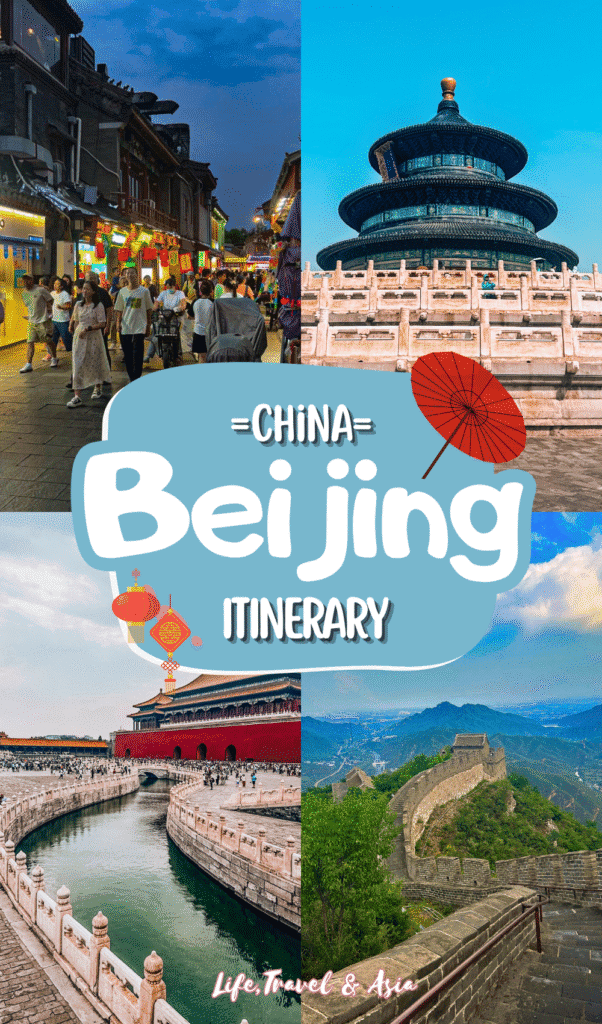
3-Day Beijing Itinerary In 2026: The Perfect Guide to History, Palaces & Local Life
Last Updated on January 24, 2026
Are you planning your first trip to Beijing and looking for the best in town? You’re in the right place!
I’ve been to this gem of a city twice: once when I was living in beautiful Xi’an and more recently during a Summer trip back to China in 2024. Let me tell you, it’s one of my favorite places to be in China.
The city blends Chinese tradition and culture with modern life so seamlessly that it is one of the most interesting and fun places to explore in the country. It’s absolutely impossible to get bored in Beijing.
In this post, I share a perfect 3-day Beijing itinerary for your first time in the city. I’ll cover everything you need to plan your trip—where to go, what to eat (yes, including the famous Peking duck), and how to make the most of 3 days in the city if it’s your first time here.
This article may contain affiliate links. This means that if you purchase through one of the links, I may be paid a small commission at no extra cost to you. Thank you for supporting the blog and allowing me to keep sharing meaningful travel experiences with you.
Don’t have time now?📌 Save it for later!
Planning Your 3-Day Beijing Itinerary
1. Key Things to Know
2. Beijing At a Glance
📍 Where to Stay in Beijing: To me, the Qianmen Street area is the best place to stay in Beijing. It’s not only close to major sights like the Forbidden City, Tiananmen Square, and those charming hutong alleys, but it also has that lively, local vibe I love. You step out of your hotel, and there’s life all around: locals hanging out, street food stalls sizzling, little shops, and plenty of good restaurants to try.
🏠 Hotels in Qianmen: If you’re looking for a modern and elegant hotel close to this area, Sincer Hotel is such a great option, and they run getaway deals! If you’re looking for a more local vibe, the Beijing Courtyard Hotel is housed in a peaceful traditional hutong.
🚄 How to Get to Beijing: Getting to Beijing by high-speed train is the best option if you’re located less than 6/7 hours away by train. Make sure to purchase your tickets in advance on Trip.com. It’s the best platform to handle your tickets in China.
✈️ Beijing Capital International Airport (PEK) or the newly opened Beijing Daxing International Airport (PKX) hosts many international and domestic flights if you’re located in southern China or Beijing is your first stop in China.
🗓️ Best Time To Visit Beijing: The best times to visit Beijing are September to October (avoid the first week) and Spring from March to May. Beijing is a no from mid-June onwards, the temperatures are unbearable, and winters are veeeery chilly in northern China.
3. Getting from Beijing Airport to Your Hotel
Airports in big Chinese cities like Beijing are usually well connected to the city center by subways, airport express trains, and, of course, you always have the option to take a taxi. Be aware that, depending on your arrival time, traffic in Beijing can be crazy. If you’re in a rush or want to start exploring as soon as possible, taking the subway may be the best move.
Taxis
If Beijing is your first stop in China, you’ll likely land at one of its two major airports: Beijing Capital International Airport (PEK), the main hub, or the newer Beijing Daxing International Airport (PKX).
After a long flight, the easiest way to reach your accommodation in downtown Beijing is by taking a taxi. It’s a simple option that lets you avoid the crowds often found on airport buses or trains.
Heads-Up!
As soon as you land and head for the exit, you’ll be approached by well-dressed guys offering you a “ride”—just say no.
Instead, look for the official taxi signs near the exit and follow them. Have your hotel or guesthouse address printed (in Chinese characters) or clearly written on a piece of paper, and show it to the driver. Before you pull away, make sure the meter is on.
You can expect to pay between ¥100 and ¥200 for a ride that takes about an hour to an hour and a half.
Trains
If you’re open to using public transport and want to save some money, taking the train to downtown is an option.
If you land at Beijing Capital International Airport (PEK), hop on the Airport Express Train to Dongzhimen Station—the ride takes about 20–30 minutes. From Dongzhimen, transfer to Subway Line 2 (the Loop Line), which covers the main stops around the city center (including Qianmen Street). The whole journey takes around 50–60 minutes.
The process is just as easy if you’re arriving at Beijing Daxing International Airport (PKX). First, take the Daxing Airport Express to Guogongzhuang Station. Then you can take the subway to your accommodation.
4. How Many Days in Beijing
This is the trickiest question, because while 3 days in Beijing are enough to see the main sights (if you keep a packed schedule), you could honestly spend a whole week and still have plenty to do without ever getting bored.
The city is huge, with plenty to do: cultural sights, many restaurants to try, and activities you can experience in China only (like a good session of KTV).
Plus, there are a couple of day trips from Beijing that would make your itinerary much richer, like visiting the Great Wall of China (of course) or something a bit more niche, like heading to Chengde (an hour from Beijing). In this rural area, you can explore Buddhist temples and the Imperial Palace.
All in all, a 3-day Beijing itinerary will feel like you’ve experienced the best in town, and it’s enough (especially if it’s part of a longer itinerary in China). However, if you ever end up being “stuck” in Beijing for longer, don’t worry, because the city will be able to make you feel very entertained.
5. The Best Way to See Beijing
Despite being such a vast city (and it’s the case with many cities in China), Beijing is very easy to explore. The central area of Beijing (around Tiananmen Square) is easily walkable, and walking in Beijing is the best way to feel the city’s history, culture, and traditions on your skin while being part of it.
Here you’ll find the lively street of Qianmen (my absolute favorite place to stay and hang around in the evening) or you can aimelessly stroll around the hutongs. To explore this area, you can also consider renting a bike; it’s very popular among locals, and honestly, it’s a fun (and quicker) way to explore.
If you need to move far away from the city center, the Beijing subway reaches literally every corner of town. It’s easy, quick, comfortable, and very safe (like everything in China). For this 3-day Beijing itinerary, you can easily purchase tickets every time you take the subway (Beijing doesn’t have a 3-day travel card). That’s how I handled my journeys around Beijing.
If you’re looking for more details on traveling to China, I’ve written a complete travel guide for first-timers. You’ll find everything from visa requirements and the best times to travel to tips on language, etiquette, and so much more.
3-Day Beijing Itinerary: Best Things to Do
This is a mix of the itineraries I followed during my two trips to Beijing: the one in 2019 and the other in summer 2024.
You’ll find a bit of everything: tourist spots, UNESCO-protected sights, peaceful Buddhist and Taoist temples, local vibes and street life, plus a day trip to the unmissable Great Wall (because yes, it really is worth it). I’ll also add a few extra ideas in case you have more than three days.
Tickets & Tours in Beijing
Day 1: Local Life, Hutongs & Iconic Sights
1. Qianmen Street
If you’re staying around Qianmen, you can start right outside your accommodation. This is one of my favorite areas in the city—full of life, locals, and that mix of old and new that makes Beijing so special.
Here you’ll find so many street food stalls preparing Jianbing, a savory Chinese crêpe filled with egg, veggies, crunchy bits, and sauces (that locals eat for breakfast). It’s incredibly filling and delicious.

Another classic is the Baozi—those soft, steamed buns stuffed with meat or veggies. There’s also a Starbucks around if you’re quite ready to try a Chinese-style breakfast.
Qianmen is a pedestrian street lined with traditional Qing-style buildings that house modern shops and cafés. As you walk around, you’ll see locals going about their routines, tourists snapping pics, and little stores selling handmade souvenirs, like tea sets, silk scarves, and paper cuttings.
It’s the perfect intro to Beijing’s energy and charm—especially in the morning, when the city’s just waking up.
2. Hutongs Tour
Just a short walk from Qianmen Street, you’ll find yourself in the heart of Beijing’s hutongs, narrow alleyways that feel like a true museum. These lanes are lined up alongside traditional, ancient-style Chinese home compounds and inner courtyards, known as hutongs.
Dashilar Hutong is one of the oldest commercial streets in Beijing. Here you’ll still find local shops selling handmade snacks, crafts, and quirky souvenirs. The mix of Qing Dynasty buildings and modern life makes it a fascinating place to explore.
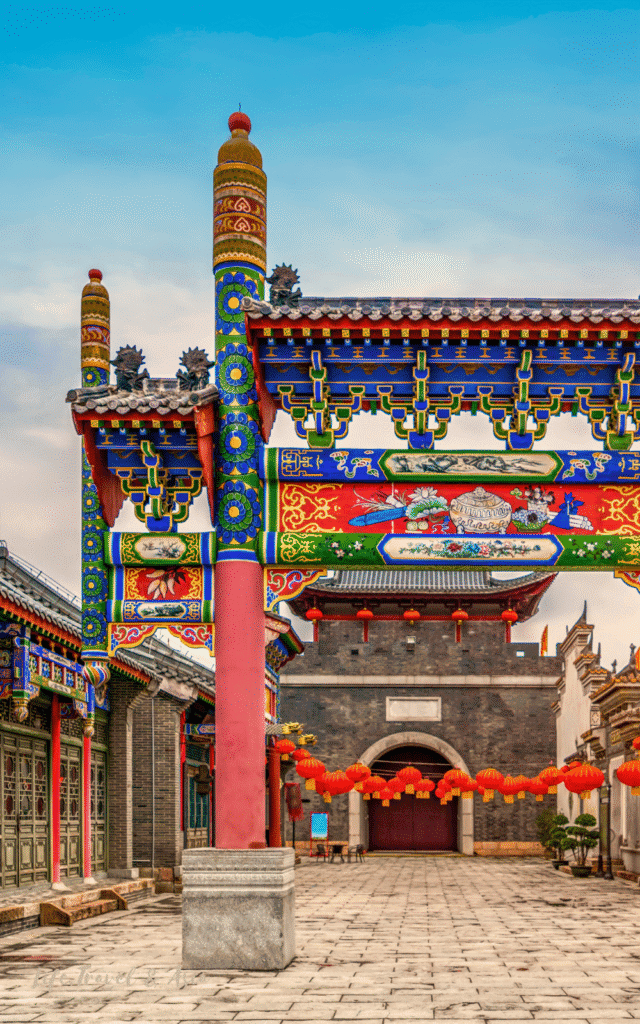
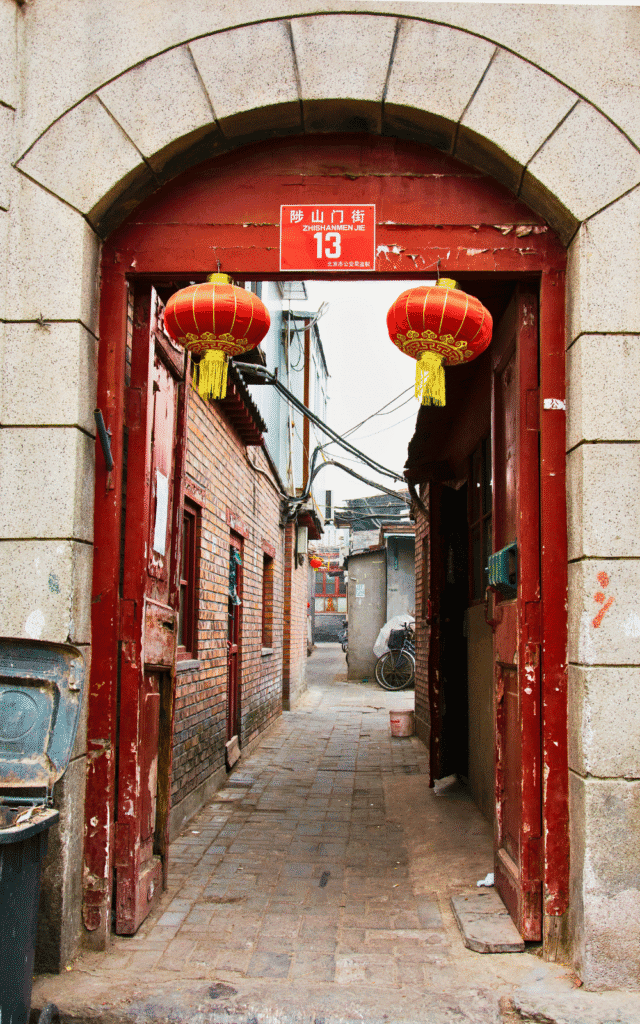
If you’re into art and culture, don’t miss Liulichang Cultural Street, known since the Ming Dynasty for its antique shops, calligraphy, and traditional paintings.
Some of the most suggestive and calm hutongs around Qianmen include Dashilar, Liulichang, Tan’er, and Tiaozhou. These alleys are perfect for a quiet stroll if you want to escape the buzz of Qianmen Street and experience a more traditional, slower-paced side of Beijing.
3. Tiananmen Square & Mao’s Mausoleum
Located just north of Qianmen Street, the square is home to other landmarks: the Monument to the People’s Heroes, the Great Hall of the People, the National Museum of China, and, of course, Mao Zedong’s Mausoleum, easily recognizable thanks to the massive portrait of him hanging above the entrance.

Visiting Mao’s Mausoleum is free, but be ready for long lines, especially on weekends. Inside, Mao’s body is displayed in a glass coffin in a very solemn atmosphere.
That said, Tian’anmen Square is more about meaning than aesthetics. It’s huge, but not particularly beautiful, so if historical or political landmarks aren’t your thing, it’s okay to skip it.
Just a heads-up: entry requires a passport and a security check, and wait times can go up to three or four hours depending on the season. My advice is to plan your visit for early morning if you decide to go.
4. The Forbidden City
Skipping Tiananmen Square could be smart, as it would free up time to explore one of Beijing’s real highlights and a UNESCO World Heritage Site on your first day of this 3-day Beijing itinerary: the Forbidden City.
While it’s not my absolute favorite spot in Beijing, I consider it a must-visit. This enormous palace complex, with nearly 1,000 buildings and over 8,000 rooms, was home to emperors of the Ming and Qing dynasties for almost 500 years. It was also the ceremonial and political heart of imperial China.

If you want an authentic taste of traditional Chinese architecture, the Forbidden City delivers: vibrant reds and golds, detailed carvings, and elegant sloping roofs. The Imperial Garden at the back is a charming spot that adds a touch of nature. Usually, I’m all for exploring solo, but here I highly recommend booking a local guide.
A good guide will make your visit much more interesting with fascinating stories and details you’d easily miss on your own. Plus, they help you navigate the site efficiently so you don’t waste time wandering.

One last tip: once you’ve finished exploring the Forbidden City, take a walk to Jingshan Park. From the top, you get a panoramic view over the palace’s rooftops.
4. Evening at Wangfujin & Sanlitun
Ⓜ️ Subway Instructions: Take subway line 7 from Qiaowan to Zhushikou. Then, change to line 8 at the Wangfujing subway station. The trip will take 10 minutes.
If you’re into Chinese food (who isn’t?), Wangfujing is basically heaven. It’s one of those places where you can find anything—from classic Chinese dishes to cool modern spots. If you’re looking for a place to try the Peking Duck, don’t leave without trying the duck at Quanjude.
If you’re up for something more hands-on, Haidilao Hot Pot is a whole experience. It’s always time for a hotpot even if you’re not in Sichuan.
At night, Sanlitun is where the city really wakes up. It’s got a little bit of everything—chill bars, loud clubs, rooftop drinks, you name it. Last time I was in Beijing, we were at the Martini rooftop. The vibe was great, with plenty of expats and locals, great music, and good drinks.
And if you’re feeling brave (or just want to fully embrace the local vibe), a KTV karaoke is always a good idea. It’s chaotic in the best way—singing your heart out in a private room with snacks, drinks, and bad song choices.
Day 2: Imperial History & Modern Art
1. Summer Palace
Ⓜ️ Subway Instruction: Take line 2 from Qianmen to Xuanwumen. Then, change to line 4 until Xiyuan Station. Then, walk for about 10 minutes to the Summer Palace.
The Summer Palace is hands down one of my favorite places in Beijing (another UNESCO World Heritage Site). There’s something magical about the mix of elegant and classic buildings, the nature all around the site, and the calm water of Kunming Lake that makes the whole place feel peaceful, even when it’s busy.
It’s a little outside the city center, but totally worth the trip. Back in the Qing dynasty, this was the Emperors’ summer retreat, built to escape the heat of Beijing city.
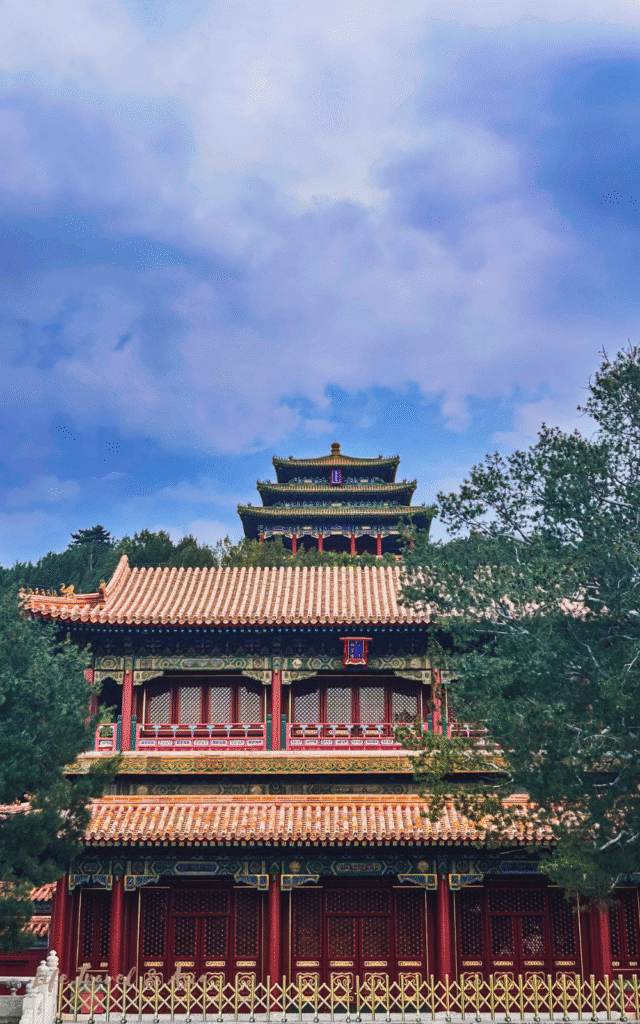
It’s called a palace, but it’s not a single palace; more like an immense park filled with pavilions, temples, bridges, and lakeside paths. You could honestly spend the whole day wandering around and still not see everything.
Even though it’s a popular spot, it never feels too crowded thanks to its spacious layout. You can always find a quiet corner to sit. And just like with the Forbidden City, I really recommend going with a guide—especially if you’re short on time.
They’ll help you go straight to the must-sees, while also sharing all those stories and fun facts that make a visit much more interesting. You can book this tour that combines the Summer Palace and the Temple of Heaven. If you prefer to visit the site on your own, you can purchase tickets here.
2. Temple of Heaven
The Temple of Heaven is easily one of my favorite places in Beijing. There’s something about it that just feels sacred. Built in the 15th century, this UNESCO World Heritage site was where Ming and Qing emperors came to pray for good harvests, and you can still feel that deep spiritual energy in the air (despite the crowds).
The architecture is truly unique. The Hall of Prayer for Good Harvests—with its deep blue roof, red columns, and golden details—stands on a white marble base that symbolizes Heaven.

In traditional Chinese cosmology, circles represent Heaven and squares represent Earth, so everything here was built to reflect that harmony.
I’ve always dreamed of seeing it during closed hours, with no one around, just to fully take in the vibe.
Here, I recommend a guided tour. There’s so much symbolism hidden in the layout and architecture that having someone explain it all would probably make the visit even more meaningful. Definitely something I’ll do next time!
4. Lama Temple
Ⓜ️ Subway Instruction: Walk to Tiantangdongmen Station (20 min). Then, take line 5 to Yonghegong Lama Temple Station.
Visiting a Buddhist Temple is always a peaceful way to wrap up a day. The Lama Temple (Yonghegong) is away from the city’s chaos, a sanctuary offering the kind of calm that instantly grounds you.
Originally built in the 17th century as a residence for Prince Yong (later Emperor Yongzheng), the complex was converted into a Tibetan Buddhist monastery in 1744.

As soon as you walk through the gates, you’re surrounded by reds, deep greens, and gold. The scent of incense fills the air as locals and monks move through the courtyards. The architecture here is a mix of Han Chinese and Tibetan styles.
One of the highlights is the massive 18-meter-tall Maitreya Buddha in the Wanfu Pavilion. It’s carved from a single piece of white sandalwood.
4. Early Evening at the 798 Art Zone
Ⓜ️ Subway Instruction: From Qianmen Station, you can take line 8 to Yongdingmenwai, then change to line 14 East and head to Wangjing South. Then you’ll need to walk for 20 minutes to the district.
Beijing is not only about history and imperial vibes. The 798 Art District is a creative neighborhood is a total contrast to the capital’s historic vibe (and it’s one of those unual things to do in Beijing that make your trip so rich and varied).
It is located in the north-eastern part of the city, and it takes about an hour to reach from Qianmen, so plan it for a chill late afternoon or evening stroll.
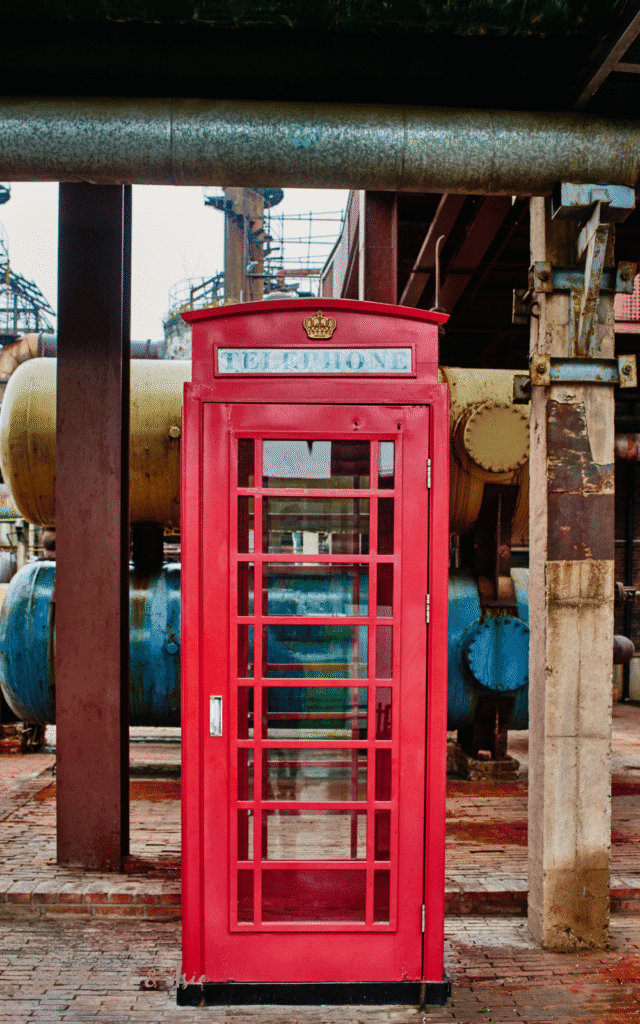
Once a complex of state-owned military factories from the 1950s, the 798 Art District has been transformed into a thriving contemporary art zone.
The old industrial buildings, with their Bauhaus-style architecture, now house galleries, design shops, coffee spots, and cultural spaces. You’ll find everything from thought-provoking exhibitions to quirky street art and installations, and artistic coffee shops.
Day 3: Day Trip to The Great Wall
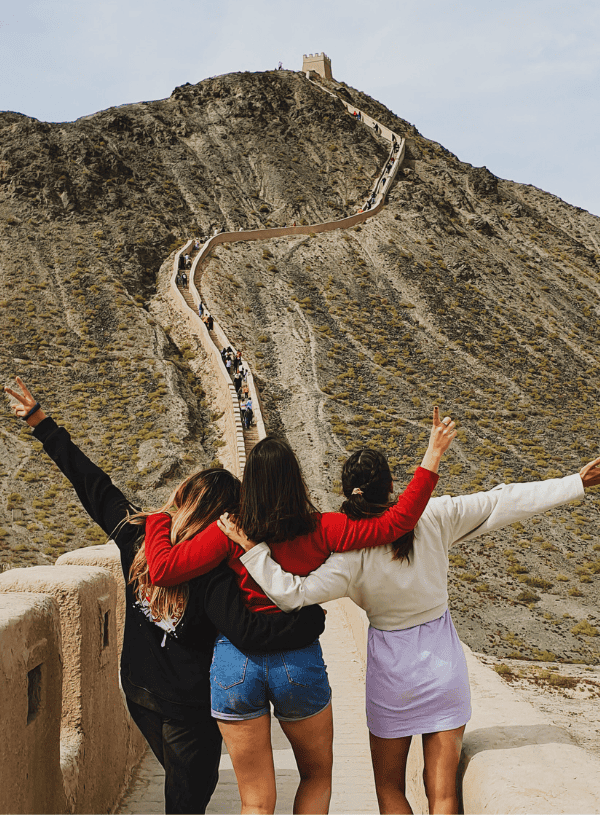
No trip to Beijing feels complete without a visit to the Great Wall of China. Depending on which section you explore, you might need to save at least half a day for it.
The most scenic sections often require a little more effort to reach. Considering that transportation is a nightmare for most of them, booking a tour is actually recommended to avoid wasting time.

One of the most thrilling experiences is visiting the Jiankou Great Wall section, the only one that is entirely untouched by the restoration, and also closed to visitors if you’re not with a guide.
If, on the contrary, you prefer an easier-to-reach section and DIY planning, Mutianyu can be the right option for you. Make sure to check out my dedicated post with all the tips to plan your trip to this beautiful section of the Great Wall.
Where to Go After a 3-Day Beijing Itinerary?
Beijing usually ends up being one of the first stops in your China itinerary. After staying 3 days in Beijing you have so many options to continue your itinerary.
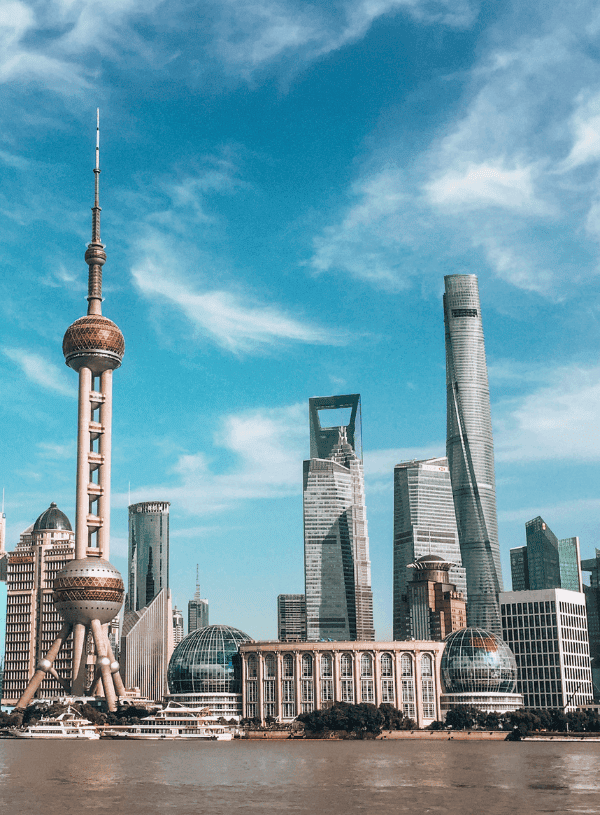
- If you’re looking for a bit less history, but more big-city vibes, Shanghai is around 5 hours by high-speed train. Shanghai doesn’t have much to see, but it’s one of those places you should visit in China. Its non-stop energy and futuristic beauty are very unique. You can plan on spending 3 days in Shanghai as well.
- If you want to continue your journey discovering Chinese history, Xi’an should be on your radar. It’s tiny city compared to Beijing. It has been the Imperial capital of China for 13 dynasties and the starting point of the ancient Silk Road. During those years, Xian became a crossroads of cultures and an architectural gem. Features that are still so visible and make Xi’an unique even today. Three days are enough to explore Xi’an.
Besides Shanghai and Xi’an, there are plenty of other places you could explore from Beijing (there’s an airport there after all). However, these cities are must-see places in China, and they’re not far apart, making your journey much more bearable (distances while traveling around China can be much longer than 4-5 hours).
And there you have it…the perfect 3-day Beijing itinerary for first timers! Hopefully, this blog post gave you more clarity on how to plan your trip to Beijing and what’s truly worth experiencing while you’re there.
If you’re still planning your trip, make sure to check out my China travel guide for first-timers. There’s so much helpful information that can make your planning easier (and don’t forget the articles listed below for quick insight). I really hope China will capture your heart as much as it captured mine.
Articles You May Find Useful While Planning Your 3-Day Beijing Itinerary
- 10 China Travel Tips for Non-Chinese Speakers (To Help You Overcome The Language Barrier)
- China Travel Apps: 7 Essential Applications You’ll Need in 2025
- 11 Fantastic Ways to Discover China on a Budget Without Losing Your Mental Sanity
- China Packing List: 13 Vital Items To Pack for the Perfect Trip
Did you find it helpful? 📌 Save it on Pinterest!