
Solo Travel in China: Best Safety Tips for Female Travelers
Last Updated on November 22, 2025
Are you a solo female traveler planning a trip to China and looking for safety tips, or are you simply curious about what it’s like?
I’ve lived in China for over a year, and while the international public may have contrasting views of China, I believe there’s one thing you can be sure of: it’s one of the safest countries on earth.
While living there, I’ve traveled to multiple locations, both well-known and more remote, and never had to look over my shoulder when going back home alone late at night.
Honestly, being able to explore such a culturally rich and naturally beautiful country without the fear of what might happen is one of the reasons solo travel in China is so worth it!
In this article, I will share what to expect from solo travel in China, especially regarding the language barrier, and offer helpful safety tips to ensure your trip goes as smoothly as possible.
This article may contain affiliate links. This means that if you purchase through one of the links, I may be paid a small commission at no extra cost to you. Thank you for supporting the blog and allowing me to keep sharing meaningful travel experiences with you.
Don’t have time now?📌 Save it for later!

Is China Safe for Solo Female Travelers?
The feeling of safety is definitely something subjective; what feels safe to me may be perceived very differently by someone else. However, solo travel in China can be considered very safe for female travelers. Below you’ll find a couple of things to be aware of.
1. Petty Crimes & Women’s Safety
In China, I never felt in danger of petty or serious crimes, and I generally always felt safe as a woman. Any crime is discouraged, as the extensive CCTV system extends even to remote areas.
I’m one of the clumsiest people I know—the kind who accidentally leaves her carry-on backpack open on the subway. However, I never felt my clumsiness was a problem there. I personally never encountered or heard of any petty crimes. Just use your common sense when navigating busy streets or subways.
When it comes to women’s safety, you won’t encounter any issues during the day in any corner of China. I felt just as safe at night. I often returned home on my electric scooter every weekend at 4 am and always felt secure.
2. Small Culture Shocks
As a foreign solo traveler, the only unusual thing you might experience is people staring at you (men or women), but it never feels inappropriate; it’s just curiosity.
For many, especially children, you may be the first foreign traveler they meet in person. So, they may actually ask (and maybe insist a little) to take a picture with you. Many of them can’t actually hide their surprise and happiness when they see a foreigner.
One of the reasons I loved living and traveling in China is that people genuinely want to help you if you encounter a problem and will go out of their way to do so. This creates a reassuring feeling that there’s always a solution, which is incredibly comforting when you’re in a place where almost no one speaks English.
3. Tourist Scams to Be Aware Of
Personally, I’ve never experienced or heard of any tourist scam in China. Here are a couple of scams you may want to be aware of, so in case you find yourself in that situation, you can easily spot them:
- English-Speaking Kids: You may be approached by kids who ask to practice their English, but their intentions may differ. They can actually encourage people to visit expensive tea houses. Being completely honest, I met kids who wanted to practice English, but never asked anything else (they genuinely wanted to improve their language skills).
- Overcharging Taxi Scam: One of the most common scams, it may involve taxis (random people approaching you and asking if you need a ride) or taxi drivers who don’t turn on the meter. Make sure to use only licensed taxis and check the meter before departure. Or else, you can directly book a DIDI (Chinese Uber) ride through Alipay and avoid any issues altogether.
This is the general rule when it comes to scams: If a local approaches you on the street (aside from those who want a photo), stay a bit alert. They may genuinely want to chat, but it’s not very common — Chinese people generally aren’t that forward — so there’s a chance they might be looking for something from you.
4. Language Barrier
As you may or may not know, the language barrier in China is really a thing. Almost no one speaks English, and if someone does, it is usually a very stiff, very basic English (sometimes hard to understand).
Having said that, traveling around the most popular cities and sights is usually not a challenge. There are signs in English everywhere (including the subway), and locals are much more accustomed to foreign visitors.
On the other hand, traveling off the beaten path may be more of a challenge, mainly because, in many cases, getting around may require dealing with Chinese taxi drivers (100% of the time they don’t speak English) or private transportation.
Google Translate is very helpful in this case, and you can also check out my tips for traveling to China without speaking Chinese.
5. China Off The Beaten Path: DIY or Guided Tour?
The challenge of traveling solo off the beaten path in China is that even very famous sights can sometimes be unreachable by public transportation. I’ve mentioned some of these examples in my Gansu itinerary.
In this case, a great compromise between DIY and guided tour would be to plan your DIY trip as you’d do anywhere else in the world, but book a guided tour to reach these remote destinations. So you don’t have to find and communicate with Chinese drivers yourself.
5 Safety Tips for Solo Female Travelers in China
1. Make Sure You Always Have an Internet Connection
Making sure you always have an internet connection in China and wherever you travel is essential, so your friends and family can always get hold of you.
Today, the best way to stay constantly connected is to purchase an e-SIM before your departure. You can install it on your phone before flying and activate it once you land.
Installing an eSIM ensures you’re always online and you don’t need a VPN. Airalo E-Sims are my go-to when I travel: they’re speedy at recharging your GB and work perfectly. In case you can’t actually install an e-SIM (your phone may not be compatible), the VPN + Local SIM is your option (however, you have to make sure your VPN is always on).
Local SIM may actually take longer to be activated. This will leave you without a connection when you land in China. To feel safer, you can ask your accommodation if they offer airport shuttle services, so that you don’t have to deal with taxis once you land.
2. Apps to Download
Alipay and Google Translate are your life-savers in China as a solo female traveler.
Alipay is essential for all kinds of digital payments and to book a taxi ride through DIDI. Alipay has the DIDI feature built in, so you don’t need to download a separate app.
For WeChat, you’ll only need it if you plan to exchange messages with a local. Be aware that you may have difficulty completing the verification process. You can ask your accommodation staff; they will be able to help.

If you’re curious about other apps that may be useful in China, check out my travel apps guide.
Google Translate’s simultaneous translation feature will help you communicate with locals. They use it as well daily to communicate with foreigners, so that you won’t have any problems with that. For any other communication tips, check my guide on navigating the language barrier in China.
3. Note Down Useful Contacts
It’s not enough to have them saved on your phone. Make sure to write them down somewhere (a small notebook you always carry with you). In this way, if something happens (e.g., your phone runs out of battery) and you need to contact someone, you can always ask for help and call one of your numbers.
I usually save the Embassy contacts and also the one of my accommodation, in case they need to pick me up somewhere.
4. Booking Safe Accommodations
For booking hotels and hostels in China, I’ve always used Booking and Trip.com, and I’ve never had any issues (almost). There are a couple of things to keep in mind.
In China, the same rules apply as for every other Asian country. Always check the reviews: the date and the number, especially.
I usually avoid booking stays with few reviews or only reviews older than 6 months. Little story time, but it happened to me (in China) that one of the hostels my friend had booked didn’t exist. Since then, I’ve always been cautious when booking, no matter where I travel (especially off the beaten path).
5. Getting Around in China
Public transportation in China is very safe (and clean!). There’s honestly no better way to get around. Subways are the best way to get around in cities. All bags are scanned at the entrance, and Chinese police are everywhere to make sure everything is in order.
At rush hour, subways may be packed, so keep an eye on your belongings. I’ve never encountered a pickpocket, but it’s just common sense.
When it comes to the railway system, I absolutely love traveling by train in China. Their trains are comfortable (much more than a plain seat!), clean, and the best place to catch up on some sleep. To book your tickets (make sure you always do in advance!), you can always use trip.com.
Best Places to Travel to As a Solo Female Traveler in China
There are plenty of beautiful places to visit in China, and it’s so hard to choose most of the time. Of course, if this is your first time in China, you can’t miss the iconic tourist attractions everyone knows. However, venturing off the beaten path may also be such a rewarding experience.
1. Shanghai: Futuristic & Lively Atmosphere
It’s actually unbelievable to feel so safe in such a massive and lively modern city. Shanghai represents the perfect blend between tradition and modernity, and it’s one of my favorite cities in China, especially as a solo traveler.
There is so much to do and plenty of people to meet (including many travelers like you). It’s not the place to go if you’re after historical sites or nature (even if you could still admire some interesting Buddhist art around its temples).

You’re more likely to remain enchanted by the blinding lights of The Bund, with its Pearl Tower, or by the elegant architectural style of the French Concession buildings (which have nothing to do with Chinese architecture).
If part of a more extended itinerary, 3 days in Shanghai are perfect to soak in the atmosphere of this never-sleeping city. You may even be planning a Shanghai day trip from one of the nearby towns. In any case, make sure to check out my Shanghai solo travel guide; it’s written specifically for solo travelers and covers all the best ways to enjoy this city.
2. Beijing: Imperial Heritage & Modern Trends
You may wonder…do I really have to go to Beijing? Isn’t it so overrated? Absolutely not, Beijing is one of those must-sees for a reason.
It has the same lively, big-city atmosphere as Shanghai, but is less futuristic and hosts the country’s most important historical sights. You can actually hike the iconic Great Wall in the morning and find yourself on a rooftop in Sanlitun, sipping a cocktail, in the evening. That’s just how varied it is.

Beijing is one of those places where you can actually meet so many other travelers by walking around Wangfujing or sampling Chinese snacks around Qianmen Street and its hutongs. You can easily spend 3 fun days in Beijing without getting bored; make sure to set aside some time to visit the Great Wall.
3. Xi’an: Centuries of History in A Pocket-Size City
Xi’an is not as famous to the general public as Shanghai or Beijing, but it often ends up being the favorite stop on many China itineraries.
Xi’an is perfect for solo female travelers: it’s rich in history and architecture, yet feels compact and easy to navigate, as the main tourist attractions are close to one another.

The area within the Xi’an city walls is the best place to stay, with all the sights being within walking distance, plenty of restaurants around, and that lively atmosphere that makes you want to stay out, especially around the Muslim Market Street.
Two days in Xi’an are ideal for experiencing the best of downtown, and three days are perfect if you’re planning a visit to the Terracotta Army or a Mount Hua hike (highly recommended!).
4. Chengdu: Amazing Food & Slow Life
While cities like Shanghai feel… intense, Chengdu’s energy is very different. Here, life flows at a slower pace—people sit for hours in teahouses, play cards in the parks, and somehow take their time.
Many expats in China choose to live here—it’s vibrant and modern, but rooted in its traditions and much more livable. Chengdu is all about charm: there are plenty of those kinds of alleyways lined up with quirky shops, and if you glance at the sky, you’ll see a sea of red lanterns above you. Just the China you’d expect!

Of course, the Panda Research base is one of the most popular things to do here, but if you’re visiting Chengdu, make sure to save some time to head to the Giant Buddha of Leshan, a UNESCO World Heritage Site, located 30 minutes by train.
You can easily plan 3 days in Chengdu without getting bored. Honestly, the Sichuan province is so rich in nature, history, and culture that you could actually plan an all-around Sichuan itinerary.
5. Guilin: Dreamy Karst Landscape
Guilin has been on my China bucket list for years before I actually found the time to plan a trip there, and it was so worth it!
It may be one of those places where you’ll likely need to join tours or take buses or taxis on your own, especially if you want to head to the Longji Rice Terraces or hike Xianggong Mountain in Yangshuo. However, the effort of advanced planning is totally worth it because you’ll get to experience something unique, different from the China you may be used to.

The breathtaking karst scenery along the Li River is unforgettable, and you can admire it from the deck of a river cruise. In Guilin, you’ll also discover traditional villages where modern advances have yet to take hold—places where locals continue to embrace a simple, traditional way of life.
Guilin is easy to explore in just three days, but if you love spending time in nature, consider staying for five to make the most of it.
The Best China Solo Travel Itineraries
When visiting a new country, I always try to include locations that allow me to discover its different facets. China is the perfect example. It’s a vast country covering 9.6 million km², with 23 provinces and incredible diversity.
It’s modern and dynamic in a city like Shanghai, but also rural, traditional, and rich in history in places like Xi’an or Chengdu.
While its huge towns are also very popular with Western travelers, people sometimes forget that China is still considered a developing country with many hidden rural areas worth exploring.
1. 2-Week China Itinerary
I recommend spending at least 2 weeks in China on your first visit. Mainly because in 2 weeks you will be able to see different locations, also very far apart and very different from one another. Imagine waking up with the Xi’an City Walls in front of you in the morning and gazing at the karst landscape of Guilin in the afternoon.

This is how you can plan a two-week China itinerary (and that’s actually one of the most recent trips I took in China).
- Shanghai (3 days) with a day trip to Zhujiajiao
- Beijing (3 days) with a day trip to the Great Wall
- Xi’an (2 days) with Terracotta Warriors or Mount Hua hike
- Chengdu (3 days) with a visit to the Panda Base Research Center
- Guilin (3 days) with the Li River cruise and departure from Guangzhou Airport
2. 1-Week China Itinerary
Yes, two weeks in China are ideal, but you can still get a great experience even if you only have one week. Of course, with such a limited amount of time, you may want to avoid long train journeys. In this case, the best way to plan your trip is by visiting an area with very different but close cities.

Eastern China is the best for that. You’ll easily land in Shanghai, and in one week, you can visit the charming Chinese cities like Hangzhou, Suzhou, and Nanjing.
Here’s how you can plan your one-week itinerary in Eastern China:
FAQs Section
1. What’s The Best Time To Solo Travel In China
No matter where you stay, April is a great month to plan your solo trip to China.
In China, the weather varies significantly between the north and the south. However, April is a good month no matter where you’re going. Plus, April falls within the shoulder season, the best time to find lower prices for flights and accommodations, and fewer people around.
2. What’s the Safest Way to Get From An Airport to My Hotel?
In China, you won’t need to book a private driver. While there will definitely be private drivers trying to encourage you to go with them and charge you double what you should pay, all you have to do is say no (不要, bù yào in Chinese) and head straight to the official taxi pickup area.
There, you’ll find licensed taxis with meters: make sure the meter is on and that your address is written in Chinese characters.
You may still book a DIDI from the Airport. I’ve never tried doing that, but I assume you may need to move a bit from the arrival area and find a suitable pickup location.
Helpful Tips
4. How to Meet People While Solo Traveling in China?
Meeting people while solo traveling in China is actually so much easier than you’d think. Western faces are still pretty uncommon in many cities, so you naturally end up bonding with other travelers or expats the moment you spot each other. There’s this unspoken “hey, we’re both navigating this wild adventure” vibe that makes conversations happen instantly.
Joining activities (walking tours, language exchanges, cooking classes, city hikes) is hands-down one of the quickest ways to meet people with a similar mindset. I’ve met some of the friendliest locals and international travelers just by showing up alone in a place.
Hanging out around cafés near universities — especially international ones — is another great tip. Students are usually welcoming and used to meeting people from everywhere. Sometimes universities even host public events, and if you can join, it’s such an easy way to meet both locals and other foreigners.
5. What Are The Best Activities for Solo Female Travelers in China?
There are sooo many fun activities for solo female travelers in China — honestly, it’s one of the easiest places to dive into local culture on your own.
- Calligraphy and painting workshops are everywhere, and they are such a calming way to spend an afternoon.
- Dumpling-making classes are also wildly popular in big cities
- Try learning tai chi or even a traditional Chinese dance — many parks and community centers offer beginner-friendly sessions.
- And if you love performances, definitely join a dance show. In Xi’an, I went to the Tang Dynasty performance, and it was magical.
- Temples are another beautiful solo activity: slow, peaceful, and no one rushing you.
- River cruises are perfect for enjoying the scenery alone and having a quiet moment to reflect on your journey.
6. Does It Feel Weird Eating Out Alone in China?
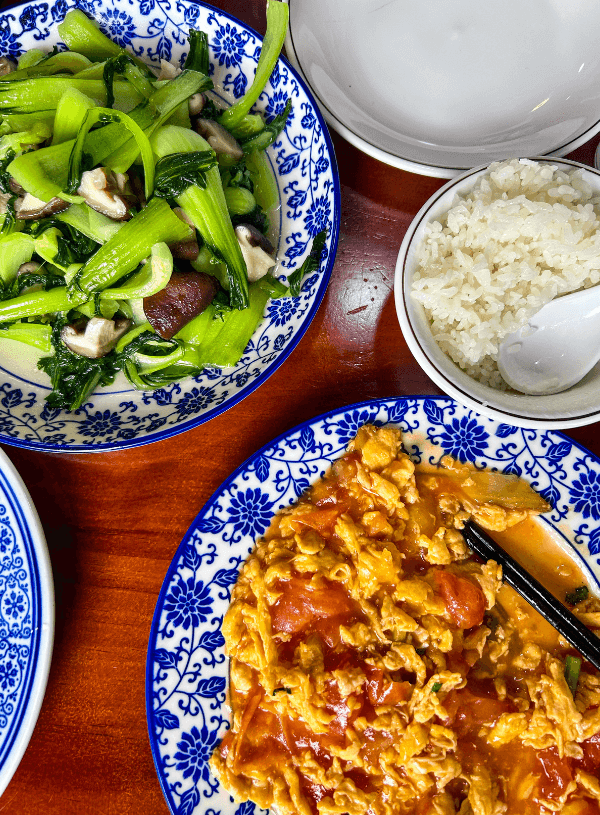
Not at all, locals mind their own business most of the time. Actually, it’s completely normal, and you’ll find many of them eating alone at any time of the day. You can download a TV series, read a book, journal, or people-watch.
There you go, all the reasons why you should consider solo travel in China, and some tips on how to plan your trip.
Don’t be discouraged by the language barrier or by what others may think of China…it’s honestly one of the safest countries I’ve been to (and everyone always goes out of their way to help you, even if they don’t speak your language).
If you’re craving even more information, check out my China travel guide. It covers everything you need to know about traveling to China, from helpful phrases to learn to how to handle your Visa and travel documentation.
Did you find it helpful? 📌 Save it on Pinterest!
Other Articles You May Like While Planning Your Solo Trip in China
- Solo Travel in Shanghai: How to Plan & 12 Best Things To Do
- China Packing List: 16 Essential Items & Useful Tips
- China Travel Apps: 7 Essential Applications You’ll Need in 2025