Bali Tips for First-Timers: 30 Things I Wish I Knew Before My First Trip
Last Updated on February 5, 2026
I’ve been living in Bali for the past six months, and yes… whether you’re traveling for just a couple of weeks or planning to stay longer, there are — let’s say — a few things you must know before landing.
In Bali, things work a bit differently: you can’t rely on public transport, tap water is your stomach’s worst enemy, and some ATMs have a bad habit of “eating” your card and never giving it back.
In this post, I’ll break down the most important Bali tips for first-timers into several categories — pre-departure, arrival, getting around, payments and ATMs, places to visit, health and safety, and general tips that don’t fit into any category — so you’ll have a complete Bali first-timer guide.
This article may contain affiliate links. This means that if you purchase through one of the links, I may be paid a small commission at no extra cost to you. Thank you for supporting the blog and allowing me to keep sharing meaningful travel experiences with you.
Don’t have time now?📌 Save it for later!

Things To Do Before Arrival
1. Sort Out Your Travel Documents Before Landing
To avoid any issues or long queues at Denpasar Airport, there are four documents you can complete online before your arrival. This way, you can head straight to the automatic passport control and be out in no time.

E-Visa
You can apply for your tourist visa directly online, without needing to obtain a Visa on Arrival at the airport. This visa is valid for 30 days and costs approximately IDR 500,000 ($30). You can extend it once for an additional 30 days for an extra fee.
Applications and extensions can be done through the official immigration website. However, even if you apply for the extension online, you’ll still need to visit the immigration office in Denpasar in person to finalize it.
Health Declaration
This is essentially a self-declaration form stating that you haven’t contracted any serious illnesses and haven’t visited any countries currently affected by a pandemic. You can complete it up to 3 days before your departure on the official website.
Customs Declaration
A self-declaration form confirming that you’re not carrying any items subject to customs duties upon entering Indonesia. You can complete it up to 3 days before your departure on this official website.
Tourism Fee
For a couple of years, every visitor to Bali has been required to pay a fee of around IDR 150,000 (approximately $9) to help support the island’s tourism infrastructure and natural sites. You can easily pay this fee online on this website.
2. Make Sure to Have Your Return Ticket
The “return ticket” requirement is a bit of a grey area, especially if you’re planning to get your visa through an agency — even they sometimes aren’t sure whether it’s strictly required.
Based on my experience, whether it was for a short holiday or when I moved to Bali, I’ve always been asked to show a return or onward ticket, especially at the departure airport by airlines like Emirates and Etihad Airways.
It’s best to have one ready, especially if you already know when you’ll be leaving.
⭐️ If your plans are a bit unclear and you’re not sure when you’ll be leaving Bali, I suggest heading to Skyscanner and buying a low-priced ticket to a nearby destination outside Indonesia. You may not end up using it, but it’s good to have something to show if requested.
3. Pre-Book A Car From The Airport
There’s nothing worse than landing in Bali after a long flight and immediately being bombarded by drivers and agencies all “offering” you a ride, with that constant fear of being scammed or overcharged.
Both times I landed, booking a private driver through Klook saved me so much stress and time.

You know exactly how much you’ll pay upfront, your driver tracks your flight, and they’ll wait for up to 2 hours with no extra fee.
The service is reliable, smooth, and honestly, the perfect way to start your trip in Bali.
4. Don’t Overpack & Bring SPF
I know you’re probably already dreaming about your Bali holiday pictures and all the cute outfits, but honestly, overpacking clothes is such a waste of space.
Coming from someone who always overpacks and then regrets it: depending on where you’re traveling, you’ll end up living in bikinis, flip-flops, and activewear.


Plus, the laid-back Bali vibe will naturally make you want to dress more simply.
I’d definitely swap some makeup products (it’s too humid and hot anyway) for SPF, which is surprisingly expensive here! So it’s worth saving some space (and money) to pack a couple of good sunscreen tubes.
If I’ve just made your packing doubts even worse, sorry 😅. However, I can link you to my packing guides for both the rainy and dry seasons in Bali.
5. Buy & Install E-Sim Before Landing
When traveling to Bali, purchasing an eSIM is the best way to ensure you have an internet connection as soon as you land. You can also buy a local SIM card at the airport — most providers use Telkomsel, which offers the best coverage on the island.
Personally, I prefer having a connection the moment I land, so I usually buy an Airalo eSIM before my trip, and it never lets me down.
In Bali, you’ll find Wi-Fi in almost every restaurant and hotel (just make sure to ask for the password), so a 5GB–10GB eSIM plan is usually more than enough for your stay.
6. Download Grab & Gojek
Grab and Gojek are by far the easiest, fastest, and cheapest ways to get around Bali’s main areas — including Ubud, Canggu, Seminyak, and Uluwatu.
Make sure to download both apps before your trip, and you can even link your bank account or card for easy payments.

It’s the easiest way to handle short rides without needing to carry small cash everywhere. Once your payment method is connected, the money is automatically deducted after each ride.
You can also book cars for longer journeys through Grab — for example, if you need a ride from Ubud to the airport, you can do it directly in the app (and in advance).
How To Get Around in Bali
7. Bali’s Traffic is Wild
A driver once told me, “The good thing is that traffic in Bali is never completely stuck“, which is true… but that doesn’t mean you shouldn’t factor in the very real chance that your trip will take longer than what Google Maps suggests.
Traveling from Ubud to the southern areas can be an absolute nightmare. Travel days often end up being long and exhausting simply because of traffic.
Tips to Avoid Traffic
- Leave as early as possible: ideally around 6 or 7 a.m., if you need to change locations by car. You’ll easily save a couple of hours on the road. Traffic usually starts building up around 8 or 9 a.m.
- Avoid very long routes in one day: Like Ubud to Uluwatu in one day — unless you can leave very early in the morning.
- Book longer scooter rides: It may sound like a lot of time on a scooter, but it will seem even longer in a car. Book a Grab Bike XL, and it will be very comfortable
8. Rent a Scooter For Explorations
It may sound a bit intimidating at first, but renting a scooter for short explorations is the best way to have complete flexibility over your stops and schedule.
For example, if you want to explore a few waterfalls around Ubud, having your own scooter will save you both time and money, while giving you that sense of freedom you don’t get with a driver.
Renting a scooter can be as affordable as IDR 80,000 ($5) per day for a smaller bike.
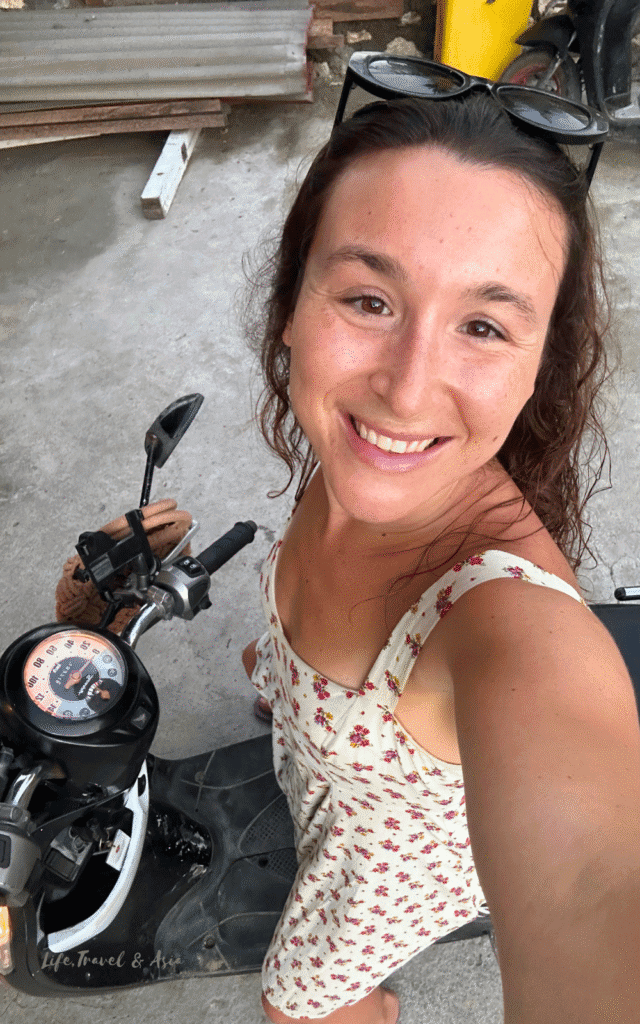
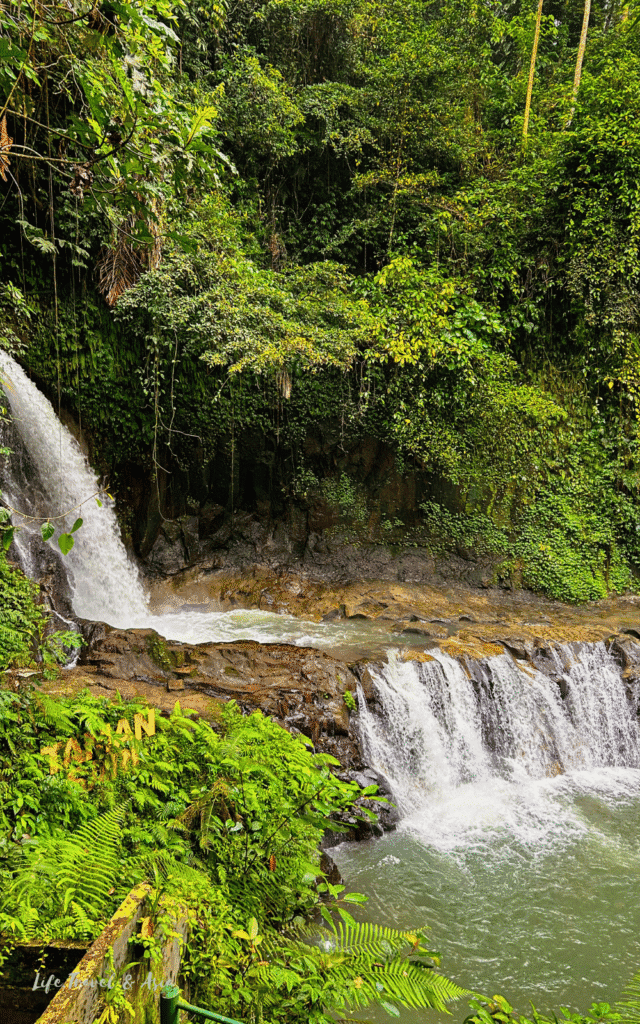
The roads can be a bit bumpy and hilly, but as a rule of thumb, if you drive slowly and carefully, you’ll be fine.
If you’re not comfortable riding a scooter yourself, another option is to book a Grab bike in the morning and ask the driver if he’s available to take you around a few stops for a couple of hours. It’s not as flexible, but it’s still a good alternative.
9. Hire Drivers for Day-Trips
One of the best things about Bali is that it’s not too big, meaning that even if you’re based in one area, you can easily plan day trips to explore the surroundings.
Some of my favorite ones so far have been Kintamani from Ubud and other spots in Central Bali.
The best way to organize a day trip is to hire a private driver for the day and plan your itinerary together, ensuring it’s realistic so you don’t end up rushing or feeling disappointed.

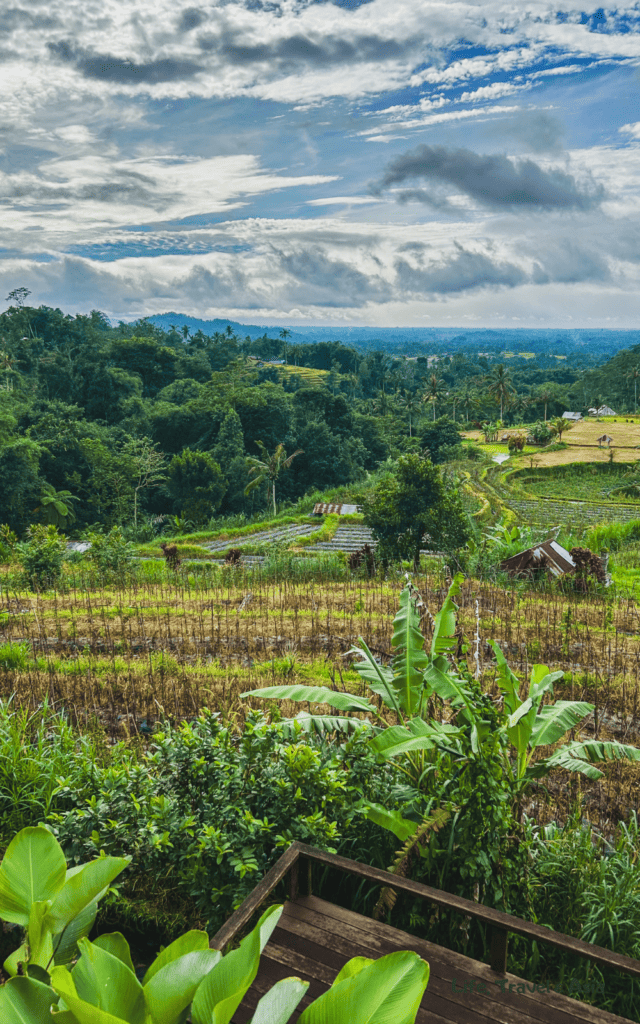
This gives you complete flexibility to visit what truly interests you and to skip the crowded tourist stops that most tours include.
If you’re looking for a reliable and flexible car service, I recommend checking out Seek Sophie. I’ve had a few less-than-great experiences in the past, but having booked with them before, I can confidently say their service is worth it.
10. Bali’s Roads Are Not What You Expect
Bali’s roads have been the protagonists of some truly chaotic adventures — from endless roadworks that turned a trip to Besakih Temple into a 3-hour journey, to the bumpiest roads in Nusa Penida, and impossibly narrow lanes where two trucks somehow still try to pass.
To Keep in Mind If You’re Riding a Scooter
- Road conditions vary from North to South: as a rule of thumb, the further north you go, the worse the roads are
- Ask your hotel about the route. Locals are familiar with the road conditions to popular sights, so make sure to let them know where you’re going and ask if it’s safe.
- Don’t Follow Google Maps Shortcuts: They often lead to narrower and worse roads.
11. Wear The Helmet
As mentioned earlier, Bali traffic can get pretty wild, and Grab or Gojek drivers are known for squeezing into any possible space on the road — including the sidewalk.
For this reason, always wear a helmet to protect yourself. Accidents are rare, but never impossible.
Plus, police officers are often present during heavy traffic hours, and they’ll stop you if you’re not wearing one — both for your safety and to avoid fines.
If you’re looking for more information, I’ve written a complete Bali transportation guide: you’ll find all the options to get around, traffic and road conditions by area, as well as transportation options on the Nusa and Gili Islands.
Payments & Money
12. Cards Are Accepted But…
I’ve traveled quite a bit around Bali, and while cards are generally accepted almost everywhere, there will definitely be times when you’ll need to have some cash on hand:
- Small warungs and shops in less touristy areas may not always accept cards, so it’s best to carry some cash on hand. Also, make sure to have small denominations, as they often don’t have enough change.
- Some places may charge a 3% fee for card payments.
- Whenever you book a taxi on the spot or hire a Grab driver directly for the day (without using the app), you’ll need to pay in cash.
- Temples, waterfalls, and parking areas all require cash payments.
13. Not All ATMs in Bali Are the Same
I’ve heard stories of bank cards being swallowed by ATMs in Bali — while it never happened to me, and might be something from the past, not all ATMs are indeed built the same.


First rule: always stick to reputable banks like Maybank, BNI, BRI, or Mandiri. Ideally, use machines located right in front of an actual branch or inside malls and shops.
Second rule: You can save on fees by choosing ATMs that don’t charge extra commissions.
✅ No commission (based on my experience): Maybank (my go-to), Mandiri, BNI, Danamon
⚠️ With commission: CIMB Niaga, BRI, Permata Bank, BCA
14. Pay Attention to Money Changers
At some point, you might need to exchange your currency for Indonesian Rupiah — and luckily, money changers are easy to find all around Bali. I’ve exchanged money several times and never had any issues.
Usually, outside the small shops, you’ll see a board listing all exchange rates, often with a big “No Commission” sign. The staff will calculate the total on a calculator and hand you the cash right away.
That said, I once noticed that different bill denominations (for example, $50 vs $100) had slightly different rates or hidden fees. If something doesn’t match what’s displayed outside, it’s best to try another money changer and see if it’s still the case (in my case, it wasn’t).
15. Tipping Isn’t Mandatory, But It’s Appreciated
While tipping isn’t mandatory in Bali, it’s always appreciated — especially if you enjoyed the food or received great service from attentive staff.
That said, the prices listed on most menus aren’t final. A service tax (around 5%) and a government tax (10%) are usually added to your bill. You’ll often find this noted at the bottom of the menu pages.
If the prices are already final, the menu will state that they’re “nett”, which means taxes and service are already included.
Health & Safety
16. Tap Water Is Your Enemy N. 1
The first time I traveled to Bali, I was so excited that on my very first evening, I brushed my teeth with tap water and kept doing it throughout my trip.
I was perfectly fine the whole trip — until I got home, when my stomach started feeling a bit off. Nothing major, but I definitely hadn’t been cautious while in Bali.

This time, since moving here, I’ve been extra careful from day one: no tap water, not even for brushing my teeth — and I haven’t had a single issue.
So, if you want to stay safe and enjoy your holiday, avoid tap water (even when it feels a bit overcautious).
17. Keep Your Hands Clean
Cleaning standards in Bali may differ from what you’re used to, especially when visiting local warungs outside tourist areas or using toilets at temples and waterfalls.
Make sure to wash your hands often or carry a hand sanitizer with you. With Bali’s heat and humidity, we’re constantly touching our faces — and doing so with dirty hands isn’t the best idea. Likewise, if you pet dogs around the island, clean your hands before eating.
18. 2-Week Probiotic Cycle
Another reason I believe I managed to avoid getting Bali belly while traveling and living here is that both times, I went through a two-week probiotic course before coming (and since moving here, I’ve completely stopped and have never had any issues).

I’m not a doctor, so I can’t say for sure if this is the right thing to do for you.
However, when my parents came to visit for two weeks — their first time in Asia — they also took a probiotic course beforehand, and neither of them even had a mild stomachache. I’d say that was a success for first-timers!
It might be worth discussing with your doctor whether taking a probiotic course before your trip could give your gut that extra bit of protection.
19. Shower Filter: Yes or No?
I’ve just ordered my second shower filter after almost four months of living here, and it made me think — do you really need one for a two-week trip?
If you don’t have much space in your luggage, don’t worry about it. Two weeks is a short time, and your hair can definitely handle a bit of dryness and minerals from the water. Don’t get me wrong — you’ll feel the difference, both in the harsher water and your hair, but it’s nothing dramatic.

However, if you’re traveling around Bali or Asia for a longer period, I’d definitely recommend getting one on Amazon before you leave (this is the one I got from Aquabliss). And if you’re planning to stay in Bali for a while, you can easily order one from Shopee (the Indonesian version of Amazon).
I’ve been using mine since I arrived, and I truly believe it’s one of the reasons my hair still looks healthy and thick and my skin has stayed (so far) breakout-free — though that might also be because I’m paranoid and only use bottled water to wash my face!
20. Common Bali Scams to Be Aware Of
I can call myself lucky — I’ve never been scammed while traveling around Bali — but most scams happen simply because travelers miss some key information about local prices, transport, or temple rules. Here are a few common ones to be aware of:
Sarongs at temple entrances: At many temples, vendors may insist you need to buy a sarong to enter. While wearing one is required, it’s always included in your ticket price, or you can bring your own — there’s no need to purchase one.

Kids asking to “practice English”: You might be approached by children wanting to chat and “practice English.” They’re harmless, but after a few minutes, they’ll usually try to sell you something. Politely decline if you’re not interested.
Grab rides without using the app: In touristy areas like Uluwatu, drivers might try to increase prices if you book a ride outside the app — I was once asked IDR 200K for a 15-minute trip that one Grab was priced at IDR 15K. Always agree on the price beforehand, or better, stick to the apps if you can.
21. Always Check Accommodation Reviews
In Bali, hotels and homestays open, close, or even get torn down almost every week — that’s how things go here. That’s why it’s so important to check recent reviews before booking and make sure the place has many of them.


Another smart thing to do is to contact the property staff right after booking to confirm your reservation.
I once heard of a girl who booked an Airbnb in Uluwatu and showed up at what turned out to be a completely abandoned hotel that had been sold months earlier.
Places to Visit
22. Bali is Not Only Canggu, Uluwatu & Seminyak
Bali is such a rich island, with many different sides to discover.
Yes, you can find the party and island vibes in places like Canggu and Uluwatu, but there’s so much more than that.
I truly believe every trip to Bali should include a bit of everything.

The lively beach atmosphere, the village charm of places like Sidemen or Kintamani, a deep dive into the island’s spirituality and traditions in Ubud, and the breathtaking nature of areas like Munduk.
There’s so much to see in Bali, and two weeks are barely enough — but if you want to build an itinerary that won’t disappoint, here’s a guide to the best places to stay in Bali for first-timers.
23. Ubud is The Ideal Base for Day Trips
I would never skip Ubud on my first trip to Bali. Yes, it’s busy, full of traffic, and sometimes feels like a whirlwind — but there’s so much more to it.
Ubud is where you truly experience the real Bali: daily rituals, offerings, and ceremonies that are an essential part of everyday life here. It’s also the ideal base for day trips around the island.
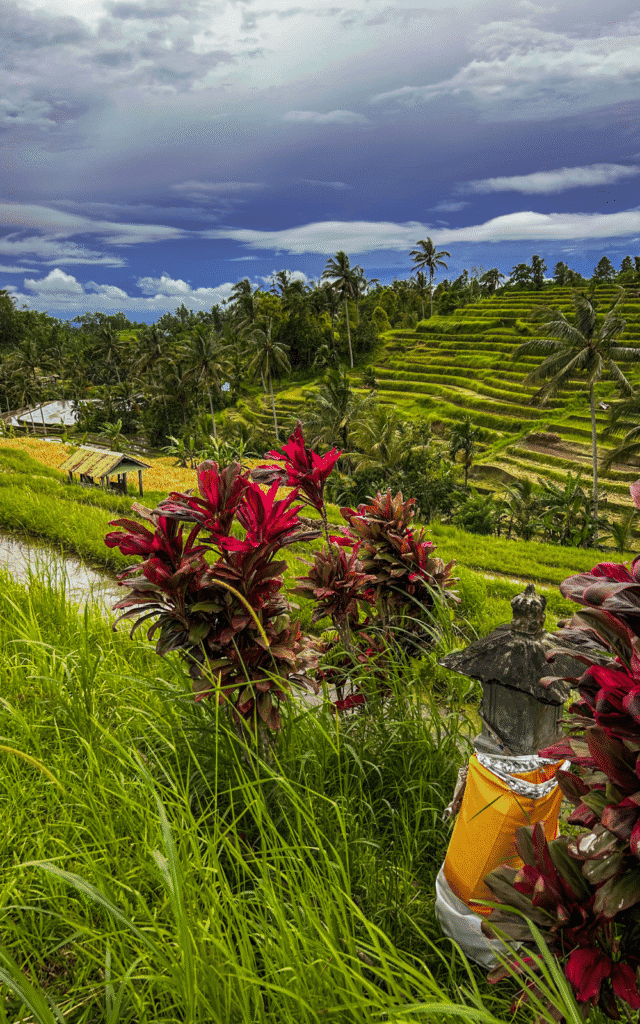
You can reach Kintamani in about an hour, the Jatiluwih rice terraces and Pura Ulun Danu in around 1.5 hours, and you can easily escape the crowds by heading north to discover so many waterfalls and temples.
That’s why I’d recommend spending at least 5 days here — enough time to experience Ubud itself and enjoy some of the best day trips in Central and Northern Bali.
If you’re wondering how to plan your stay, I’ve put together my ideal Ubud Itinerary: 3 days that can easily extend to 5 with day trips included.
24. Nusa Penida is Actually Worth It
I’m usually against everything that’s too touristy or crowded, but at the same time, if so many people visit a place, there’s probably a reason — it must be worth it in some way.
That’s the case with Nusa Penida (if you visit it the right way). The island is huge, and its main sights are split between the east and west sides.

The west is closer to the harbor and much easier to explore for day trippers. However, I genuinely believe the eastern side is the one that’s worth visiting the most.
In an ideal world, you would plan an overnight stay to avoid the crowds of day trippers and explore both sides of the island. However, if you only have one day, a day trip to Nusa Penida is absolutely worth it!

Still, I’m so glad I got to see Diamond Beach (the most breathtaking scenery I’ve ever seen!), Atuh Beach, and the Tree House viewpoint on the east, as well as the famously (and it really is) chaotic Kelingking Beach on the west.
Other Bali Tips for First-Timers
25. Nyepi – Day of Silence
Traveling around Bali during ceremonies and festivities is honestly such a beautiful experience.The island becomes even more charming — temples get decorated, locals wear their traditional outfits, and I just love when the streets are lined with penjor (those tall bamboo poles with offerings).

The only festivity you really need to plan around though is Nyepi, the Balinese day of silence. It usually happens around March 20th, and everything literally shuts down — the airport, restaurants, shops, everything. No one is allowed to go out, and even travelers have to stay inside.
Make sure you stock up on food and water beforehand, and be respectful by keeping lights low and avoiding loud noises. Locals use this day to meditate, reflect, and reset — and honestly, it’s such a unique experience to see an entire island go completely silent.
26. Dry Season Isn’t Always Dry
If there’s something I’ve learned from living in Bali, it’s that the line between the dry and rainy season is becoming more and more blurred — or honestly, almost non-existent. It’s mid-October as I’m writing this, and the weather has been way nicer than it was back in June when I first arrived.
Technically, the dry season (April to September/October) is considered the best time to visit Bali, while the rainy season (November to March) is the one people usually try to avoid.
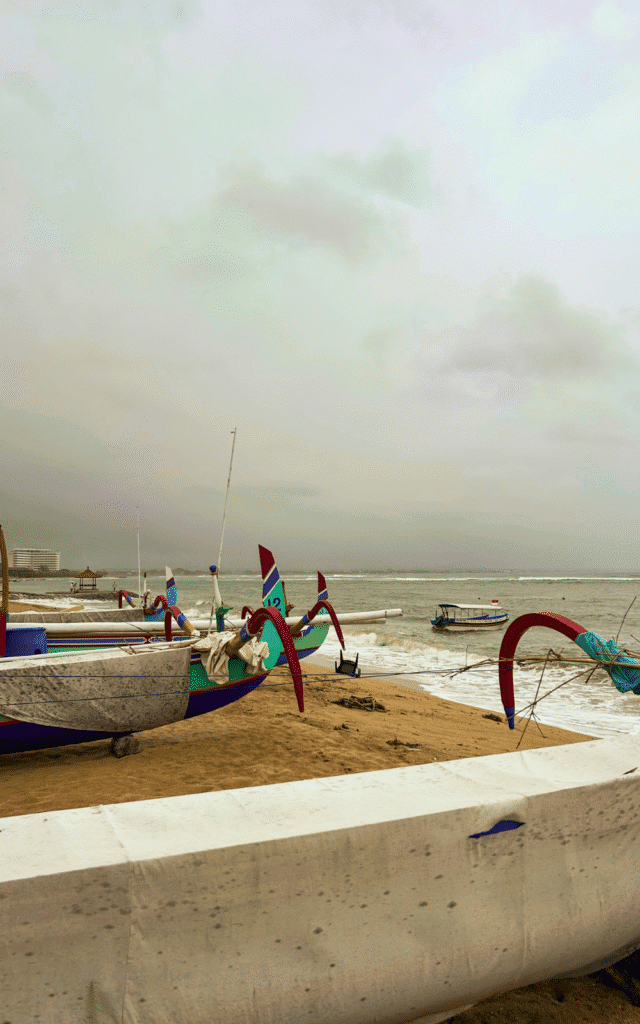
That said, even during the so-called dry season, the chance of rain is never zero. You can easily have entire weeks of cloudy skies and daily showers.
The best thing you can do is come prepared — both in terms of what you pack and your mindset. Flexibility is key in Bali, especially when it comes to the weather. The good news is, even if the weather turns bad, there are still plenty of things to do on rainy days.
27. Prices Are Higher During The Peak Season
Bali is a year-round destination, but prices can vary quite a lot depending on the season — especially for flights and accommodations. If you’re looking to save money while traveling to Bali, here’s what to keep in mind:
- Peak Season: July–August and the last two weeks of December (Christmas and New Year). Prices are higher, and Bali is definitely busier.
- Shoulder Season: April–June and September. Probably the best time to visit, with great weather and more reasonable prices.
- Low Season: October–November and the first two weeks of December. The weather tends to be cloudier and rainier, but prices drop.
28. Check Homestays & Guest Houses When Traveling on A Budget
Traveling on a budget in Bali doesn’t mean you’ll be staying in run-down places. All over the island, local families turn parts of their homes into cozy guest rooms for travelers — and you can easily find great options for as little as $15–$20 per night.

Homestays and guesthouses usually include a private room and bathroom, a shared kitchen, and sometimes even a pool.
It’s not only one of the best ways to save money, but also a beautiful way to connect with locals — you’ll often find the family living right there, happy to chat or help you out with anything you need.
29. Nasi Campur, Nasi Goreng & Dadar Gulun: Your Balinese Diet
Food is almost at the end of the list — not because it’s not important, but because it’s honestly something you don’t need to worry about.
Balinese food is delicious and not nearly as spicy as people say. Spicy sauces are usually served on the side, and you can always ask for a non-spicy version.


There’s so much to try: Tempeh or Chicken Satay, Gado Gado, Babi Guling… but if I had to narrow it down to three must-tries, I’d say Nasi Campur, Nasi Goreng, and Dadar Gulung for dessert (though Pisang Goreng is seriously hard to resist).
- Nasi Campur is a mix of small portions of meat, rice, vegetables, peanuts — every warung has its own version, and it’s the best way to taste a bit of everything.
- Nasi Goreng is a safe first-timer dish — a simple fried rice with chicken, vegetables, and a fried egg on top.
- Dadar Gulung is a green coconut crêpe filled with palm sugar — trust me, it’s addictive.
30. Be Respectful & Patient (Even If You’re on A Rush)
Balinese people are honestly one of the kindest, most welcoming, and nicest populations on the planet.
They live life in a very calm, unhurried, and peaceful way (which is very different from what you might be used to in the Western world).
That said, we always need to remember that Indonesia is a developing country, with all its pros and cons — meaning that sometimes, things may not go as you expect.

First of all, the pace here is slower. The urgency you might feel to get your coffee right after lunch isn’t quite the same for servers or hotel staff — and that’s okay. You just need to train your patience a little.
The same goes for restaurants or shops that may run out of certain products — it happens often.
At the end of the day, it’s all part of Bali’s charm — things move and get here slower, but life feels lighter.
There you go, the list of advice was long, but at least now you know what to expect — still, I’m sure Bali will surprise you in the best possible way.
These Bali tips for first-timers are everything I’ve learned and experienced so far.
If you need help planning your trip, you can check out my Bali Travel Guide, where I’ve included everything you need to make the most of your time here.
And don’t hesitate to drop a question in the comments if you have any doubts. I’m happy to help!
Did you find it helpful? 📌 Save it on Pinterest!