Best Time to Travel to Bali in 2026: Weather, Crowds & Experiences
Last Updated on February 20, 2026
Planning your next trip to Bali, Indonesia, and wondering when to go?
I’ve traveled to Bali during what’s often considered the worst time of year and lived there for over six months across different seasons. I believe I’ve truly seen it all, especially its unpredictable side.
Most sites make the usual distinction between the dry and rainy seasons. However, recently it hasn’t always worked so clearly: June can still be surprisingly rainy, while November can sometimes bring long, hot, sunny days.
In this article, you’ll find what nobody tells you about the best time to travel to Bali: what you can expect month by month, the crowds traveling around the island during each period, and, above all, when and where to travel depending on the type of experience you’re looking for. Ready? Let’s dive in.
Did you find it helpful? 📌 Save it on Pinterest!
This article may contain affiliate links. This means that if you purchase through one of the links, I may be paid a small commission at no extra cost to you. Thank you for supporting the blog and allowing me to keep sharing meaningful travel experiences with you.
Bali Seasons Explained: Dry Vs. Rainy Season
This is the distinction you’ll find on most websites. The dry season runs roughly from April to September and should (in theory) bring fewer rainy days. This period is often considered less humid, with temperatures usually ranging from 26°C to 30°C, and cooler nights that don’t necessarily require the AC on.
On the other hand, the rainy season, which runs from October to March, generally brings more rain showers. The weather is much more humid, and temperatures tend to feel higher both during the day and at night.
While the usual information about humidity and temperatures is mostly accurate, it’s less reliable when it comes to rain. I wish it were that simple, but it isn’t.
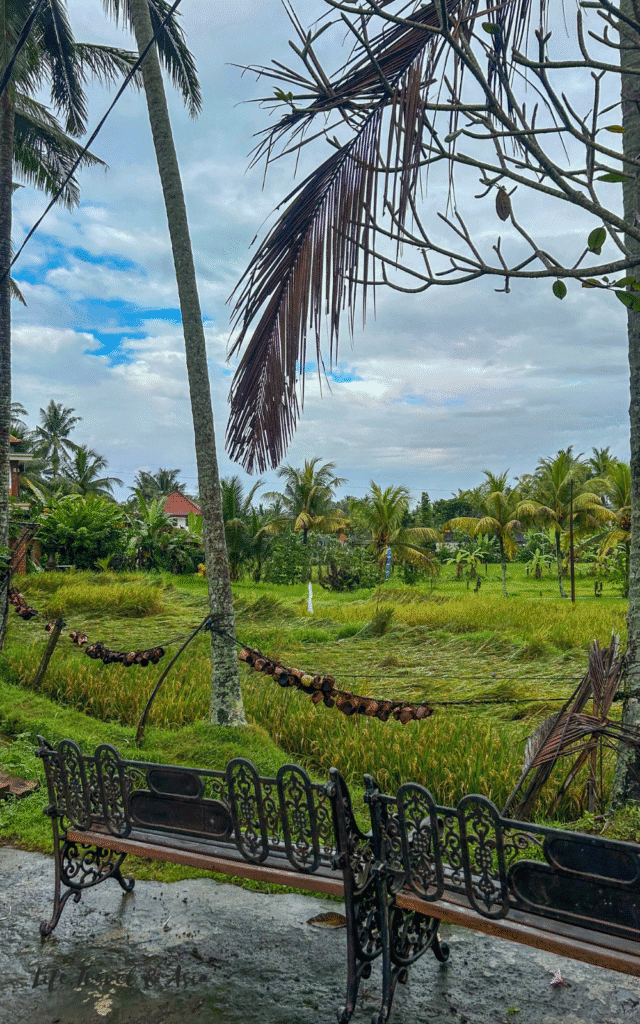
Bali is a tropical island, and no matter the season, the weather is unpredictable; there’s no real way to forecast it. You should always pack and plan as if you were traveling during the rainy season, and consider it a bonus if you end up with only sunny days.
Another thing to keep in mind is that different areas of Bali often have their own microclimates. The farther south you are, the higher your chances of better weather. Around Ubud or central Bali, skies often turn grey, and rain is more likely in the afternoon.
All that said, the possibility of rain is always there and shouldn’t discourage you from exploring. Based on my experience, early mornings are the best time to be on the road to avoid downpours, which most of the time last only a couple of hours, giving you enough time to head back to your stay and plan something indoors.
Bali Month by Month: What It’s Really Like
In this section, I’ll take you through each period, month by month, to highlight the differences in weather, crowds, and prices.
I’ll be honest with you: when I decided to extend my visa from October to December, I actually wondered if I was making a bad choice.
But after experiencing that part of the rainy season, which turned out to be far less rainy than I expected, I was genuinely glad I extended my stay.
Bali in October-December
October was characterized by clear-sky mornings and hot days. Skies usually turned grey in the afternoon, but this didn’t always bring rain (despite the very dark clouds).
We still had random showers as usual, a couple of days per week, mostly at night or lasting only a few hours. That was also the moment of the year when I turned my AC on and kept it on until I left, it was that hot.
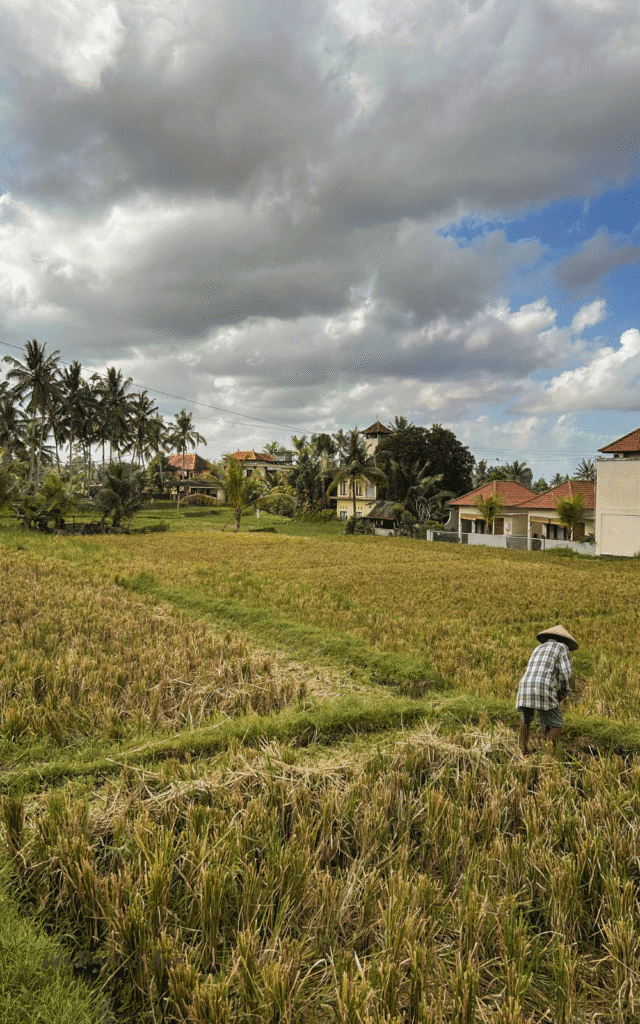
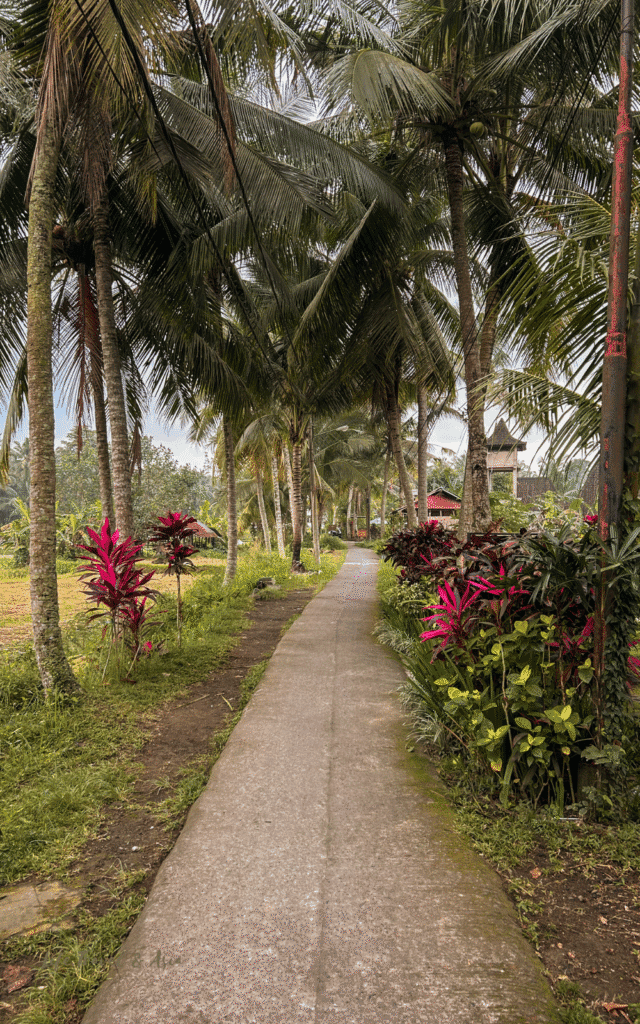
In terms of crowds, tourists started to slowly disappear from the main streets in Ubud, to the point that I found myself wondering where everyone had gone, especially in November and December.
October through the first two weeks of December is usually the period when flight and accommodation prices start to decrease, as it’s considered off-peak season.
✏️ Last two weeks of December: This is likely the worst period to travel to Bali. That’s when I had my very first trip there, at the end of 2024. It rained every day, not all day, but every single day, and, because of Christmas and New Year celebrations, prices and crowds were just as high as during peak season, but without the good weather.
Bali in January-March
After the Christmas and New Year holidays and celebrations, this is likely the calmest period in Bali. Not only because it’s the rainy season (in theory), but also because most people tend to plan their holidays later in the year, after March.
In terms of weather, as usual, it’s difficult to predict. Rain can come out of nowhere, and conditions can change in literally 60 seconds, from clear skies to a sudden rain shower, which makes it hard to forecast.
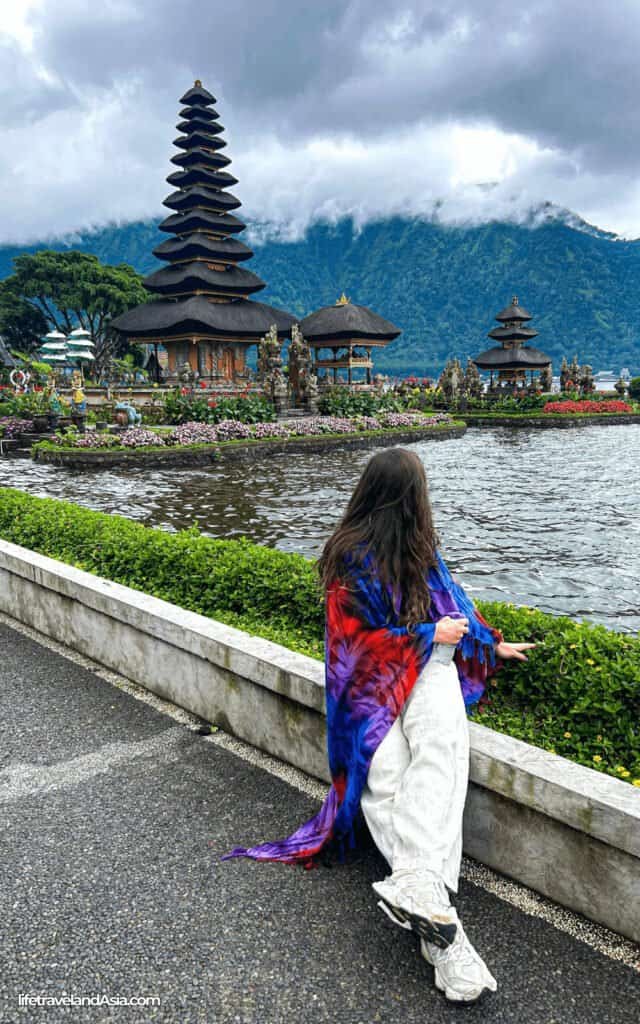
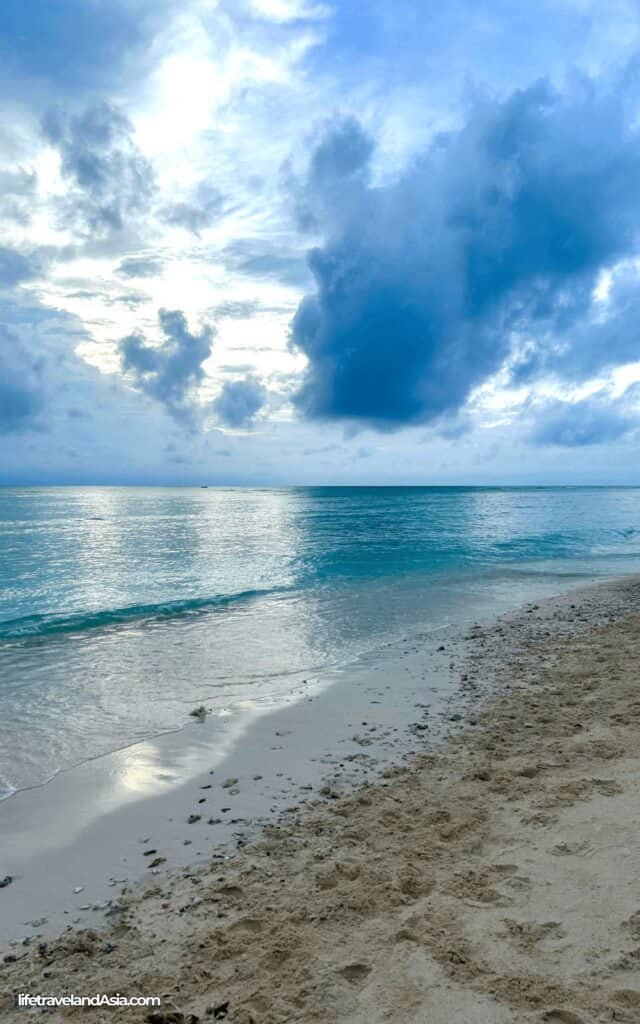
If there’s something you can expect during this period, it’s higher temperatures (around 30°C) and, above all, the most vibrant colors.
Prices still fall within the off-peak season range, making this another great time to visit Bali if you’re looking to save money.
✏️ Nyepi: Around the 20th of March each year, Bali celebrates Nyepi, the Day of Silence, which marks the Balinese New Year. For locals, this is a day of reflection and meditation. During this day, Bali completely shuts down. Everything is closed, including the airport. Above all, no one is allowed to go outside. Lights shouldn’t be visible from the roads, and no noticeable noise should come from any building.
Bali in April-June
This is the period that surprised everyone last year. Before 2025, the period from April had always been considered part of the dry season. However, last year it rained almost non-stop for days, weeks, and even months.
It’s usually considered shoulder season, and therefore one of the best times to travel to Bali for many reasons: lower prices, generally good weather, and lush nature, since it comes right after the rainy period, when landscapes are still vibrant, and rivers are full after months of rain.
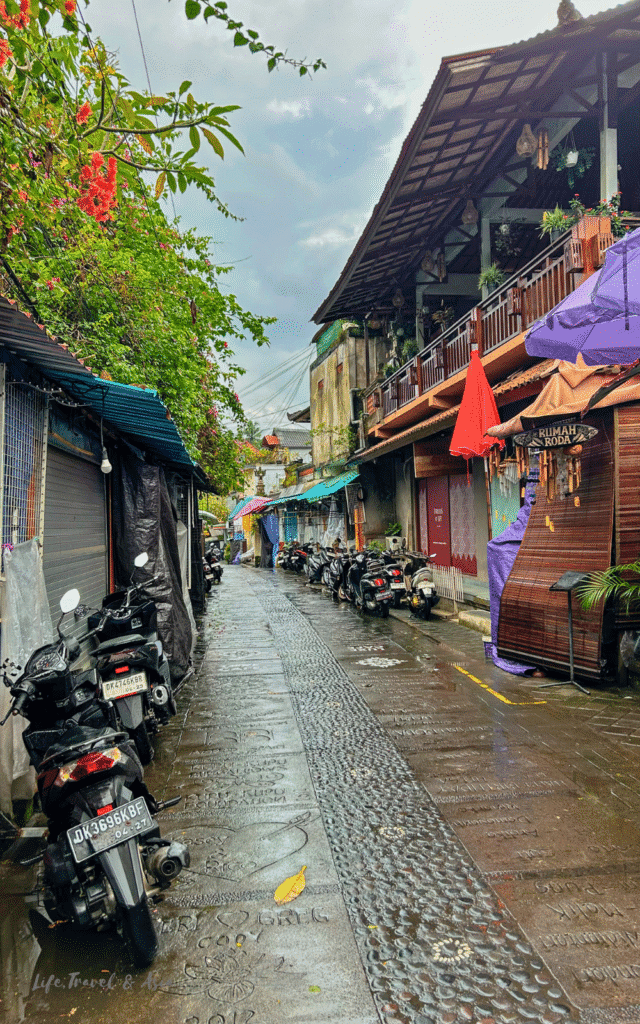
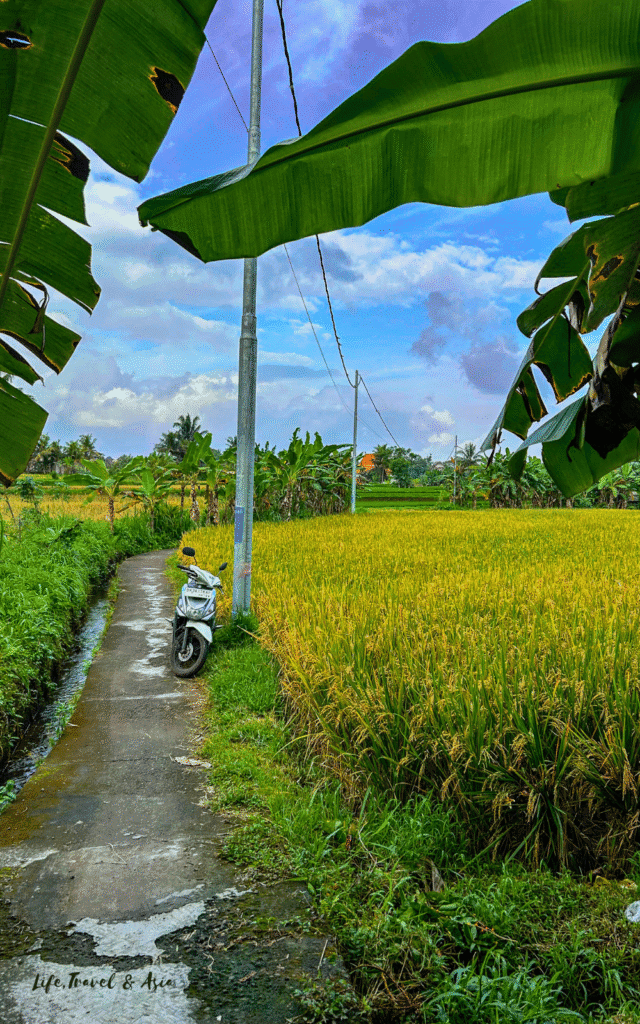
Weather-wise, that’s normally what you should expect, but as mentioned, last year reality didn’t quite match expectations.
I arrived in Bali in June 2025, and it didn’t stop raining for the first two to three weeks, until the beginning of July. It just wouldn’t stop, and I remember feeling really disappointed at the time.
Bali in July-September
The weather from July to September is likely the best I’ve experienced in Bali.
I can’t recall any rainy days or significant showers, with just one exception: at the beginning of September, it rained heavily for a couple of days straight, causing floods in Canggu and the southern areas. That was also when my ferry to Nusa Lembongan was cancelled.
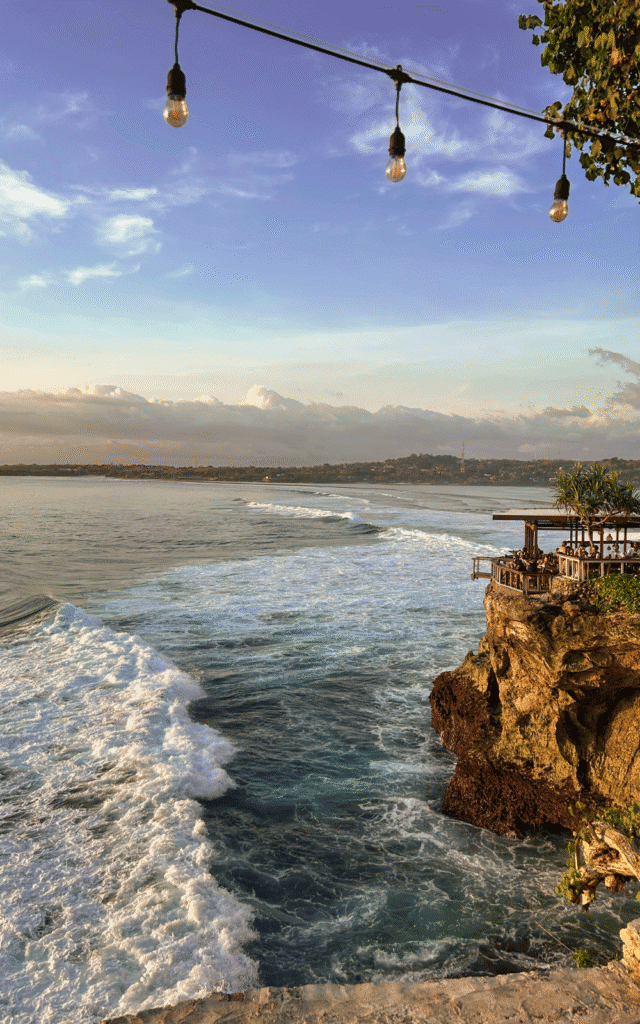
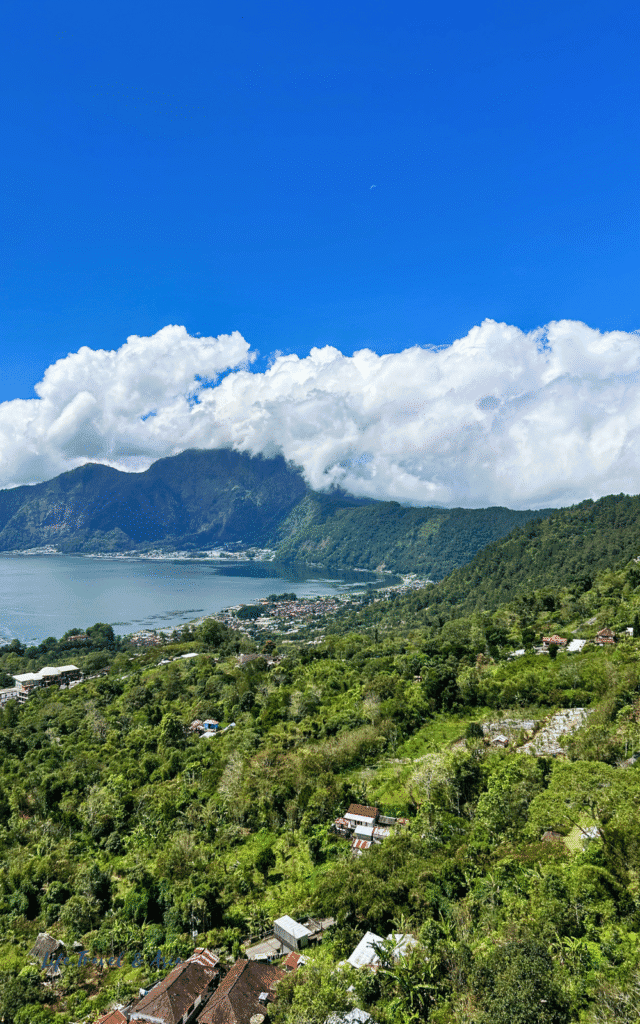
In terms of crowds, this is likely the busiest period. September is often considered shoulder season since school normally starts, but the crowds are still very much there, and prices aren’t much lower compared to the previous two months.
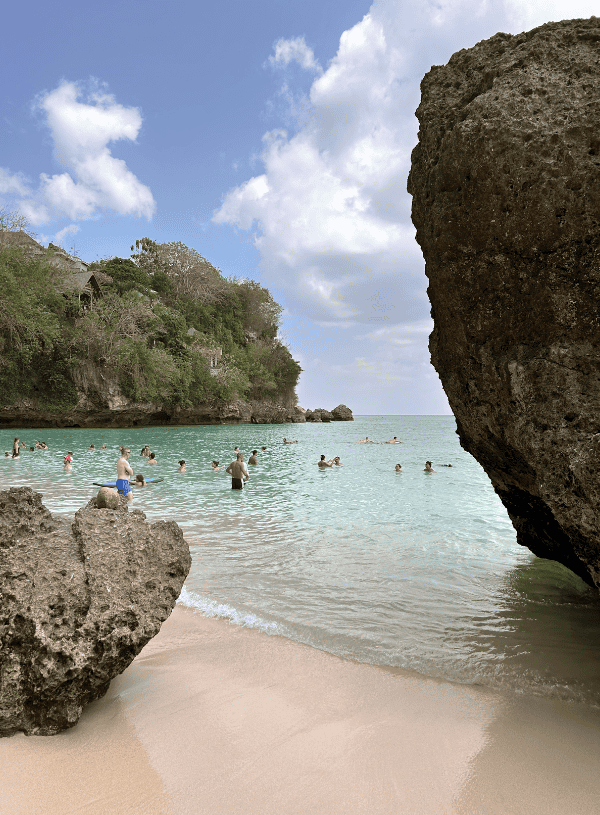
This is definitely the best time to plan beach days or island-hopping trips. Exploring inland areas like Ubud, however, might feel a bit too intense due to the strong sun and higher temperatures.
Best Time to Travel to Bali (Depending on Your Travel Style)
Here are a couple of suggestions depending on the type of experience you’re looking for:
🌴 First-time in Bali: Good weather in Bali will leave you with the best impression of the island. However, crowds can also impact your experience. For this reason, I’d say September is the best time to travel to Bali if it’s your first visit.
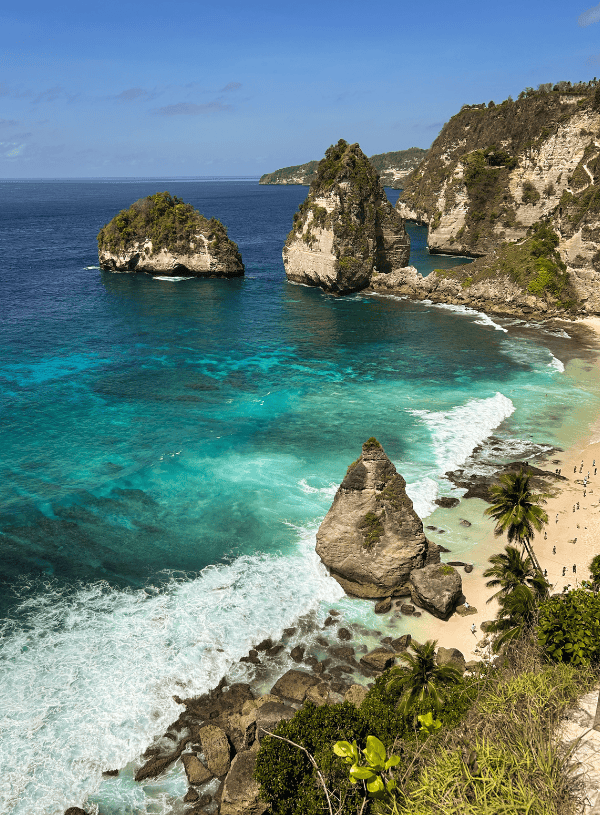
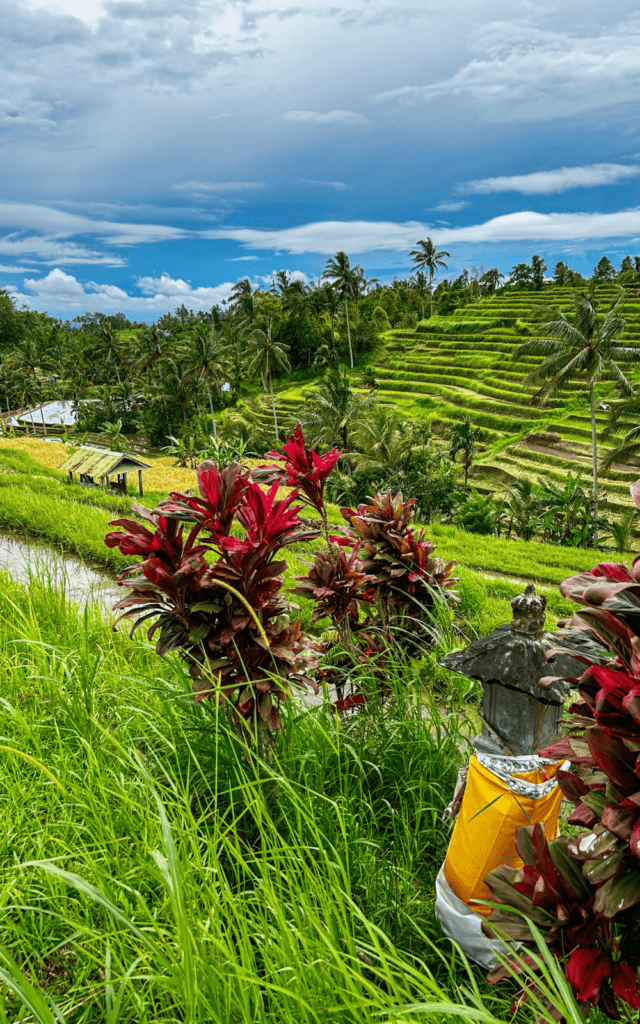
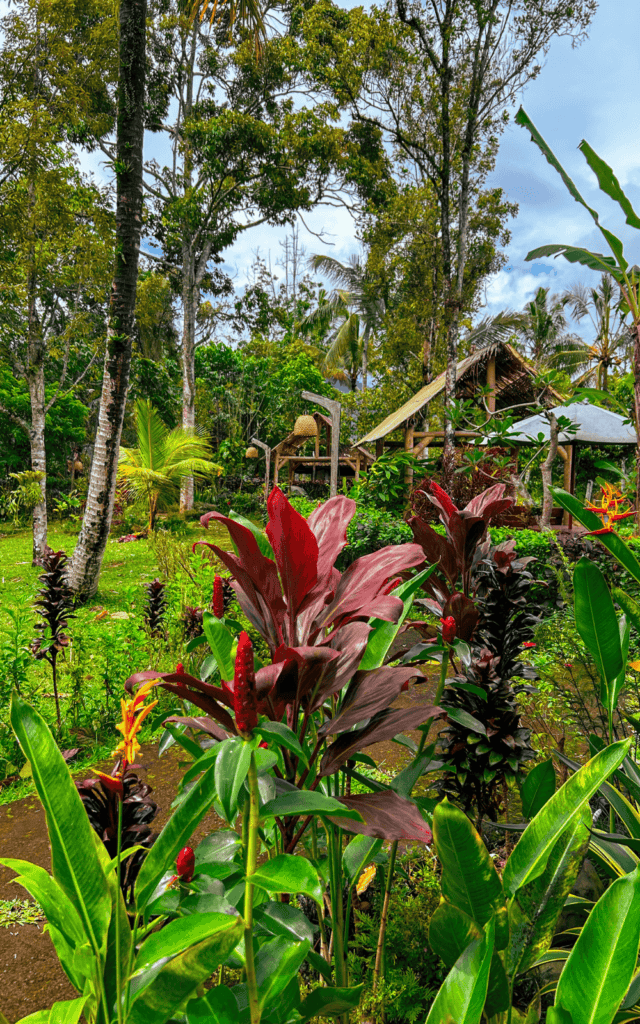
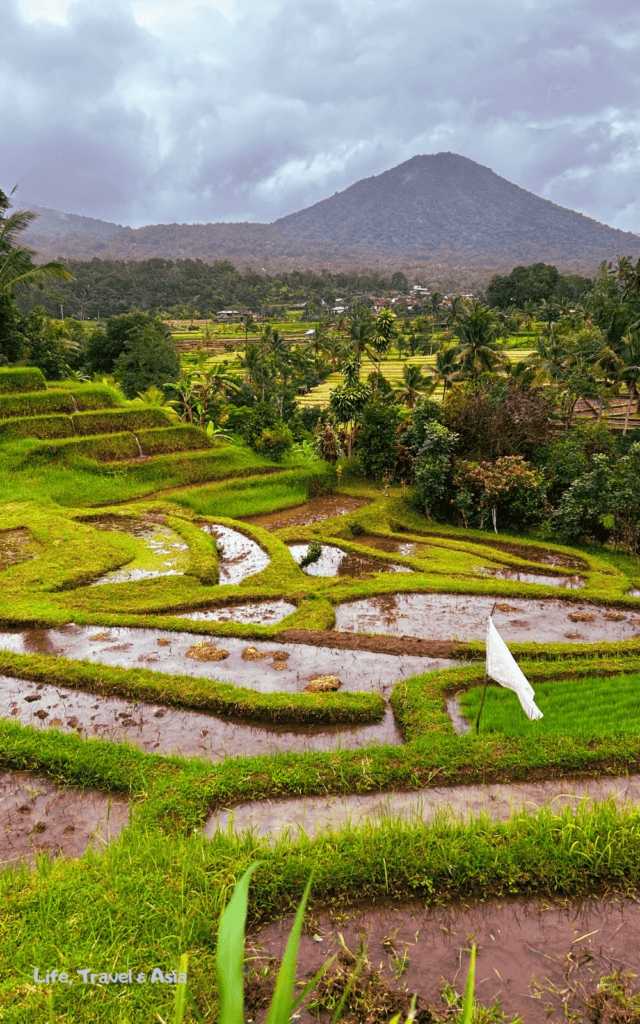
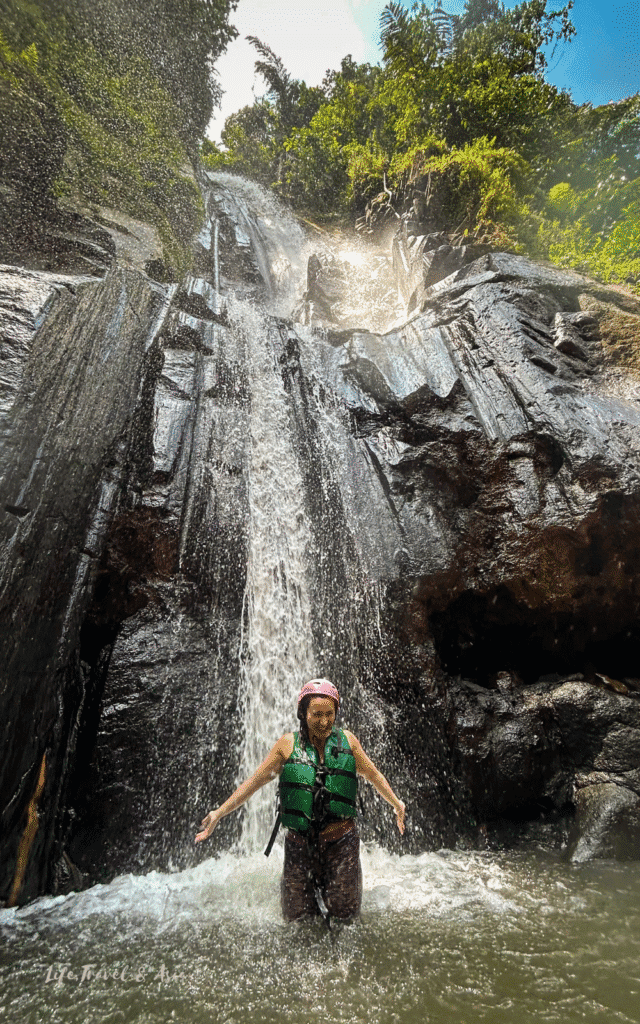
🌿 Nature lover: Nature in Bali is absolutely mind-blowing, especially the vivid colors you’ll see around Jatiluwih, Sidemen, or Kintamani. The best period to visit for nature is right after the rainy season, from April to June. Crowds will be thinner, rivers and waterfalls will be overflowing, while plants and flowers are at their brightest.
💰 Budget traveler: If you don’t mind encountering some “bad” weather (always keeping in mind that Bali’s weather is never fully predictable), from October to early December and from January (after the New Year) to March are the best times for saving.
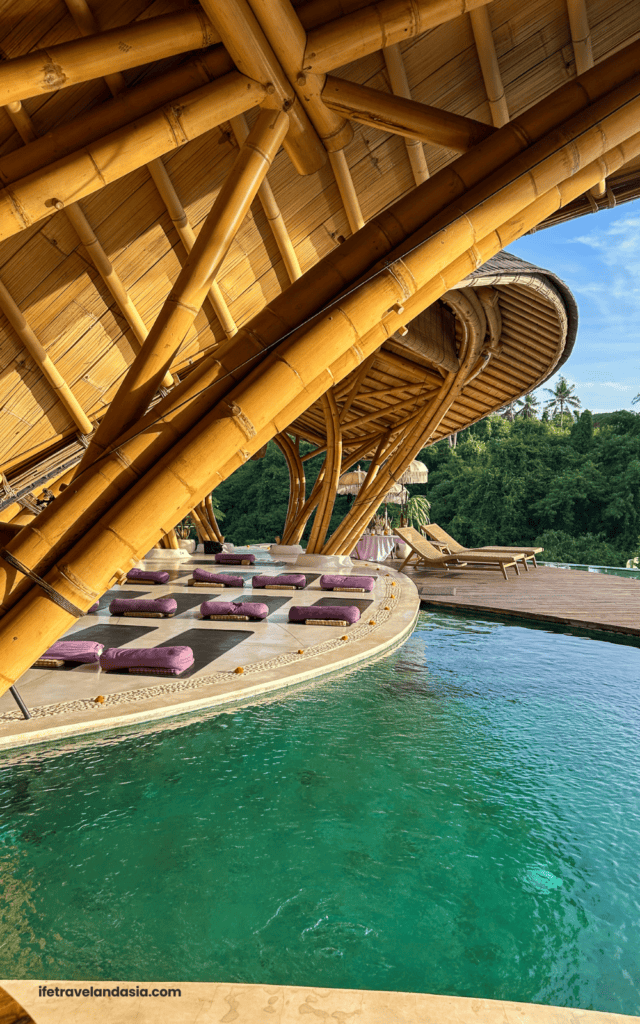
🌺 Wellness, slow travel, quiet Bali: Bali under the rain or a cloudy dark sky is still charming, especially if you’re planning a retreat or a wellness-focused, slow experience. A yoga class, or a slow morning listening to the sound of pouring rain, is pure bliss, particularly in places like Ubud, amidst the rice fields. For this kind of experience, months like November and early December are perfect.
🌊 Surf: The best period is during the dry season, in locations like Uluwatu (Padang Padang and Bingin) and Nusa Lembongan. This period offers strong south swells and great wind conditions, with large and consistent waves.
🎒Backpacker/Social Vibe: July and August are, without a doubt, the most social, and when you’ll find the highest number of backpackers around. Despite prices being higher, they’re still relatively low compared to many other destinations around the world. This is also the period when you’re most likely to meet digital nomads.
Crowds in Bali: Which Months to Avoid
Crowds in Bali are a reality, and something you simply have to accept, especially if you’re planning to visit places like Canggu, Ubud, Nusa Penida, and Seminyak.
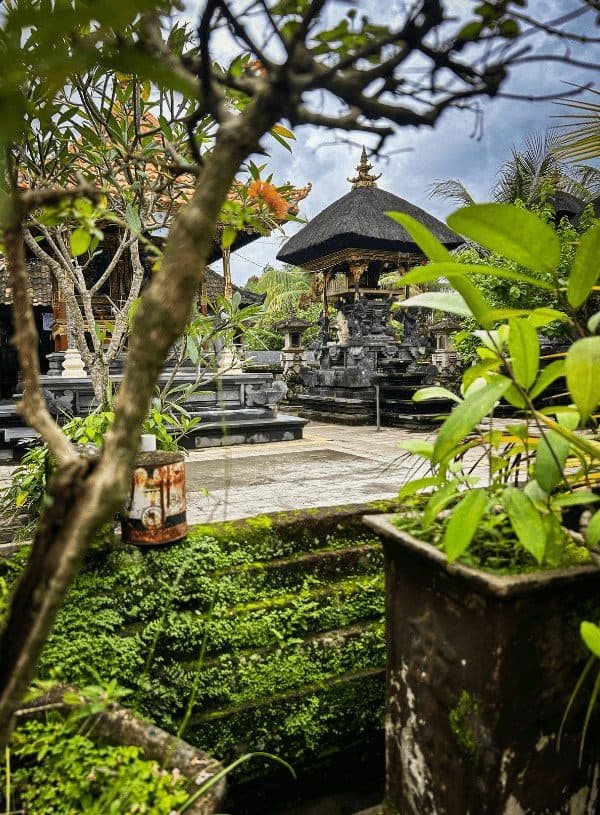
They can definitely impact your trip: crowded temples, busy waterfalls, and, above all, traffic. In some areas, it’s simply unavoidable.
What you can control, however, is the time of year you choose to travel. If you’re aiming for a more crowd-free experience, these are the periods I’d personally avoid:
- Tourism peak (June–July): This is the busiest time of the year. If you do travel to Bali during these months, I’d recommend choosing less touristy locations such as Nusa Lembongan or Amed (if you want to enjoy the beaches), or Sidemen and Kintamani (if you’re looking for nature and quieter landscapes).
- Christmas and New Year: During this period, traffic often becomes even worse due to rain, which can cause flooding and general chaos. Christmas and New Year celebrations bring far more tourists than you might expect. Unless your plan is a wellness retreat on a quiet island, I’d personally avoid the last two weeks of December.
Is Bali Worth Visiting During the Rainy Season?
…I can only go to Bali during the rainy season. Should I give up on my trip? Absolutely not.
As mentioned, my first trip to Bali was during the rainy season, and despite everything, the rain, the traffic, the crowds, and a super-packed itinerary, I completely fell in love with the island.
The vivid colors of nature (largely thanks to the heavy rain) left me speechless every single time, and the sound of rain late at night lulled me to sleep as I drifted off.
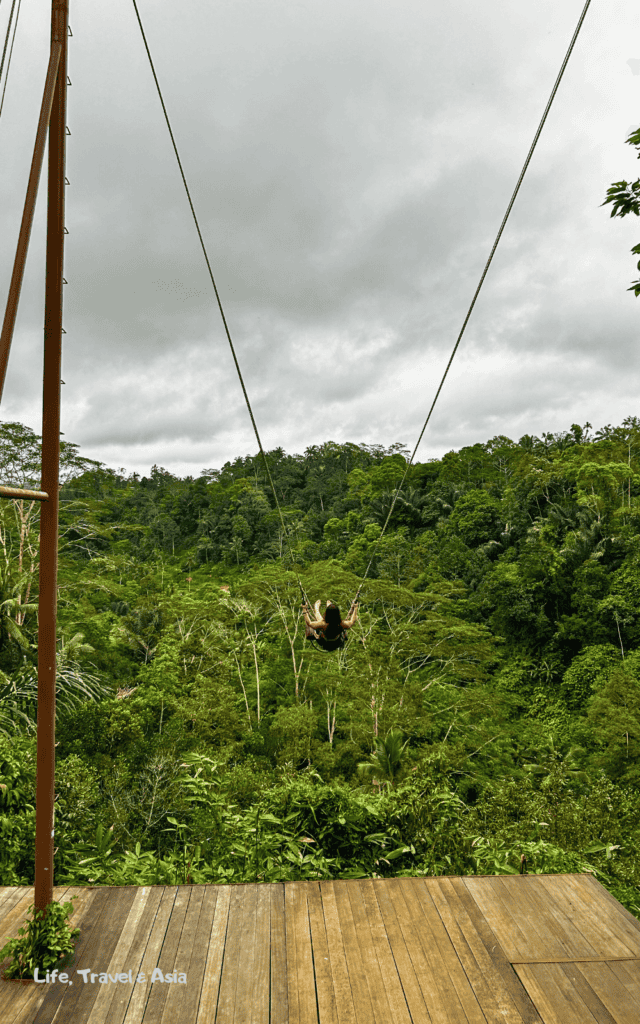
After living in Bali, I’ve actually come to love rainy days: an unplanned spa day, a yoga class accompanied by the sound of pouring rain, or simply staying in with nowhere to be, which somehow felt cozy, almost like enjoying winter in a colder country.
And the best part is that life in Bali doesn’t stop, rain or shine. Unless it’s truly pouring, in which case you might pause your plans until it eases, you’ll still be able to go about your day. Just make sure to pack a raincoat, and don’t be afraid of getting your feet wet.
Final Travel Tips
Here are a couple of final tips I wouldn’t forget:
- Choose less touristy locations during peak season: Sidemen, Amed, Nusa Lembongan, Munduk, and Lovina are not only some of the most stunning places in Bali, but they’re also less popular. If you’re traveling during peak season, they’re your best bet for avoiding the biggest crowds.
- Have a plan B activity during the rainy season (or whenever it rains): Looking for backup activities at your stay or nearby is a smart idea in case of heavy or unexpected rain. Some of my favorite rainy-day activities in Bali include a cooking class, a yoga session, or a spa package, all perfect for turning a rainy day into something to look forward to.
- Be flexible and patient: Traveling in Bali can sometimes feel like a patience test. There are many things you simply can’t control, and weather (or traffic) is one of them. Staying open, flexible, and accepting that plans may change is honestly the best way to fully enjoy your trip.
Final Thoughts
I’ve come to love Bali during every season, but if I had to suggest a single month to visit, I’d choose September or early October.
The weather is still good (or at least it should be), crowds are more manageable, and prices tend to be slightly lower. So if I had to recommend one period, that would be my choice.
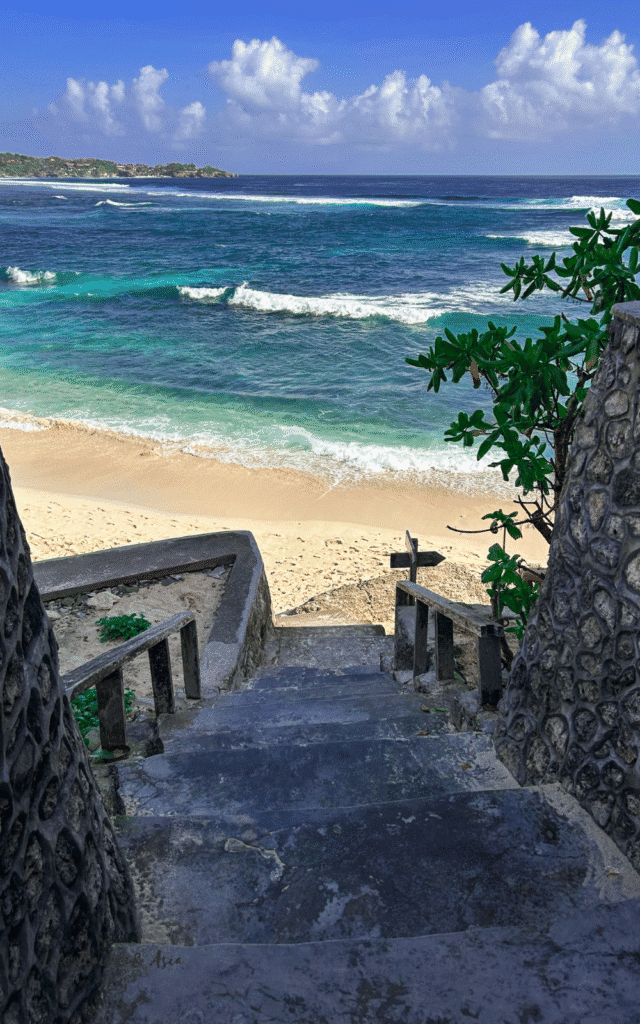
I’ll also be honest and say that, after staying in Bali for so long, there were only a couple of occasions when rain truly blocked my plans. As mentioned, life in Bali doesn’t really stop when it rains.
In many cases, rain even felt like a sign from the universe. If I were about to go somewhere and it suddenly started raining, I would take it as a signal that it wasn’t the right plan for that moment (it’s actually how I ended up choosing where to live in Bali).
So, with this little mindset, or spirituality tip, I truly wish you a transformative trip to Bali. And if you have any other questions, feel free to drop them in the comments. Happy travels!